
Each March, we celebrate Women’s History Month, a chance to explore the innumerable contributions of women to American history.
Women’s History Month has its roots in California where a group of historians and activists planned a Women’s History Week in 1978 to coincide with International Women’s Day on March 8. The National Women’s History Alliance (NWHA) planned a week-long celebration to raise awareness about women’s contributions to society. The movement spread across the country, and in 1980 President Jimmy Carter declared the week of March 8 National Women’s History Week. Hundreds of individuals and several women's educational and historical groups worked to expand National Women's History Week to a month. In 1987, Congress declared the month of March as Women’s History Month.
The theme for Women's History Month 2026 is Leading the Change: Women Shaping a Sustainable Future, as chosen by the NWHA. This theme, "expands our understanding of sustainability beyond just environmental concerns. It encompasses financial sustainability, community resilience, leadership succession, and intergenerational equity. Whether developing green technologies, advancing economic justice, strengthening education systems, or building civic power – women are designing blueprints for sustainable transformation." (NWHA)
A goal of Women’s History Month is to bring women and their contributions into the national discourse and understanding of American history. We invite you to explore resources that can help broaden your understanding of the contributions women have made to building the country we know today, from the earliest founding Americans to today’s barrier breakers like Kamala Harris.
International Women's Day
International Women's Day (IWD) is celebrated annually on March 8. This year's theme is Give to Gain.
Women's History Recommended Reads
-
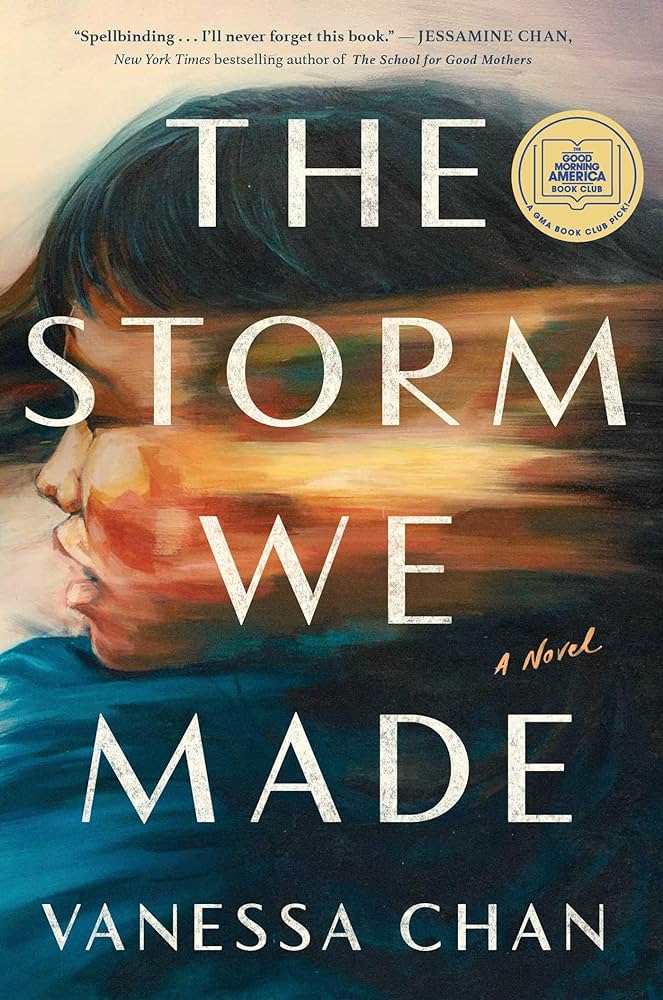
The Storm We Made
* A GOOD MORNING AMERICA BOOK CLUB PICK * One of the “most anticipated books of 2024” (Oprah Daily), this spellbinding, sweeping novel features a Malayan mother who becomes an unlikely spy for the invading Japanese forces during WWII—with shocking consequences for her family, and her country.
Malaya, 1945. Cecily Alcantara’s family is in terrible danger: her fifteen-year-old son, Abel, has disappeared, and her youngest daughter, Jasmin, is confined in a basement to prevent being pressed into service at the comfort stations. Her eldest daughter Jujube, who works at a tea house frequented by drunk Japanese soldiers, becomes angrier by the day.
Cecily knows two things: that this is all her fault; and that her family must never learn the truth.
A decade prior, Cecily had been desperate to be more than a housewife to a low-level bureaucrat in British-colonized Malaya. A chance meeting with the charismatic General Fujiwara lured her into a life of espionage, pursuing dreams of an “Asia for Asians.” Instead, Cecily helped usher in an even more brutal occupation by the Japanese. Ten years later as the war reaches its apex, her actions have caught up with her. Now her family is on the brink of destruction—and she will do anything to save them.
Spanning years of pain and triumph, told from the perspectives of four unforgettable characters, The Storm We Made is a dazzling saga about the horrors of war; the fraught relationships between the colonized and their oppressors, and the ambiguity of right and wrong when survival is at stake. -
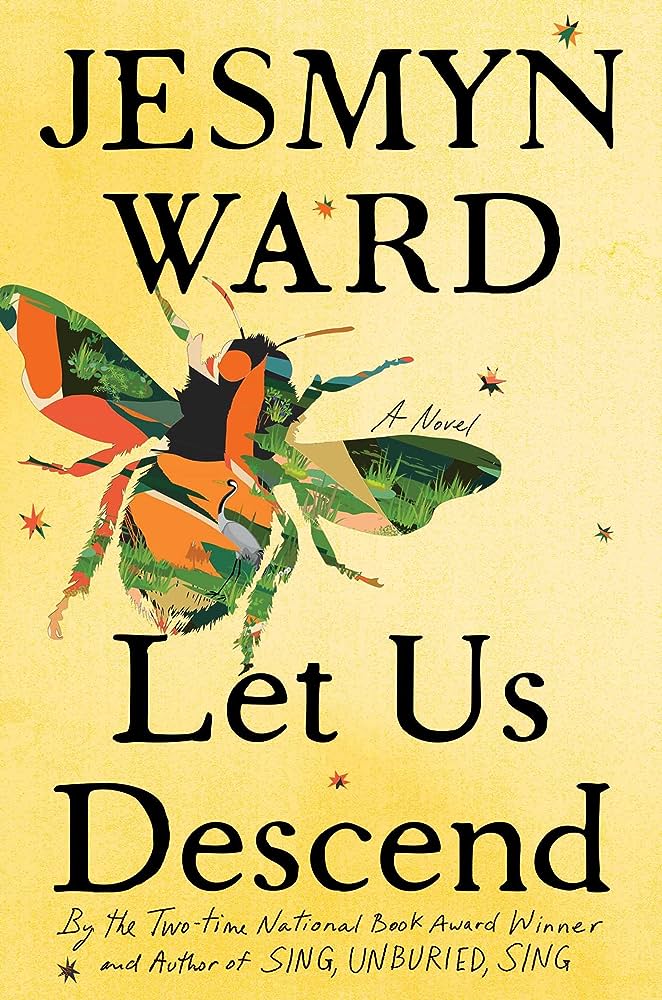
Let Us Descend
OPRAH’S BOOK CLUB PICK • From Jesmyn Ward—the two-time National Book Award winner, youngest winner of the Library of Congress Prize for American Fiction, and MacArthur Fellow—comes a haunting masterpiece, sure to be an instant classic, about an enslaved girl in the years before the Civil War.
“‘Let us descend,’ the poet now began, ‘and enter this blind world.’” —Inferno, Dante Alighieri
Let Us Descend is a reimagining of American slavery, as beautifully rendered as it is heart-wrenching. Searching, harrowing, replete with transcendent love, the novel is a journey from the rice fields of the Carolinas to the slave markets of New Orleans and into the fearsome heart of a Louisiana sugar plantation.
Annis, sold south by the white enslaver who fathered her, is the reader’s guide through this hellscape. As she struggles through the miles-long march, Annis turns inward, seeking comfort from memories of her mother and stories of her African warrior grandmother. Throughout, she opens herself to a world beyond this world, one teeming with spirits: of earth and water, of myth and history; spirits who nurture and give, and those who manipulate and take. While Ward leads readers through the descent, this, her fourth novel, is ultimately a story of rebirth and reclamation.
From one of the most singularly brilliant and beloved writers of her generation, this miracle of a novel inscribes Black American grief and joy into the very land—the rich but unforgiving forests, swamps, and rivers of the American South. Let Us Descend is Jesmyn Ward’s most magnificent novel yet, a masterwork for the ages.
-
The Wind Knows My Name
NATIONAL BESTSELLER • “The lives of a Jewish boy escaping Nazi-occupied Europe and a mother and daughter fleeing twenty-first-century El Salvador intersect in this ambitious, intricate novel about war and immigration” (People), from the New York Times bestselling author of A Long Petal of the Sea and Violeta
“Allende’s storytelling walks a lyrical romanticism on roads imposed by social and political turmoil.”—NPR
Vienna, 1938. Samuel Adler is five years old when his father disappears during Kristallnacht—the night his family loses everything. As her child’s safety becomes ever harder to guarantee, Samuel’s mother secures a spot for him on a Kindertransport train out of Nazi-occupied Austria to England. He boards alone, carrying nothing but a change of clothes and his violin.
Arizona, 2019. Eight decades later, Anita Díaz and her mother board another train, fleeing looming danger in El Salvador and seeking refuge in the United States. But their arrival coincides with the new family separation policy, and seven-year-old Anita finds herself alone at a camp in Nogales. She escapes her tenuous reality through her trips to Azabahar, a magical world of the imagination. Meanwhile, Selena Durán, a young social worker, enlists the help of a successful lawyer in hopes of tracking down Anita’s mother.
Intertwining past and present, The Wind Knows My Name tells the tale of these two unforgettable characters, both in search of family and home. It is both a testament to the sacrifices that parents make and a love letter to the children who survive the most unfathomable dangers—and never stop dreaming. -
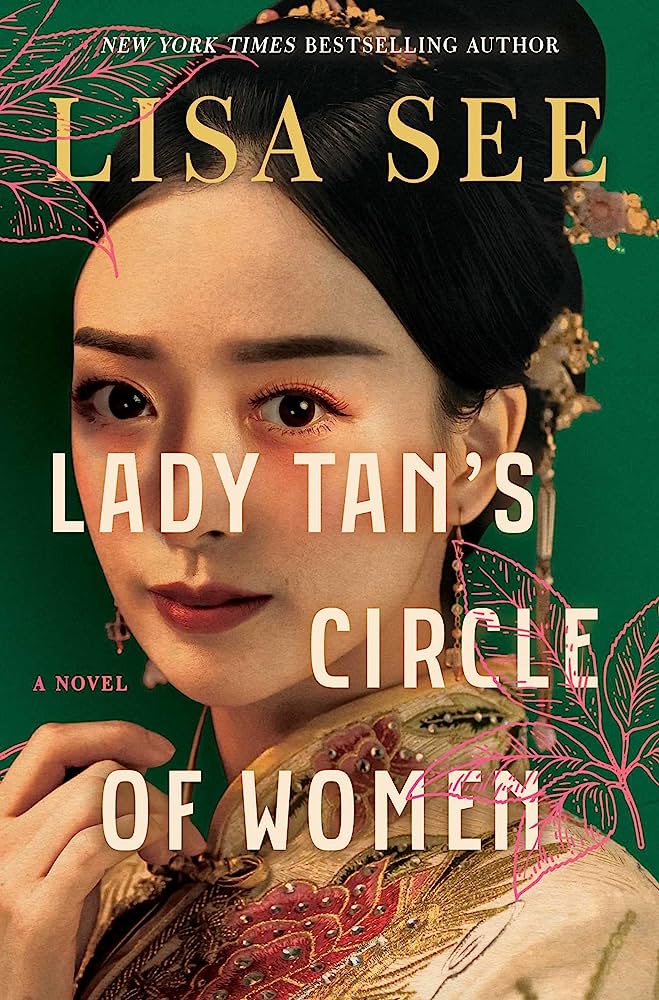
Lady Tan's Circle of Women
INSTANT NEW YORK TIMES BESTSELLER
The latest historical novel from New York Times bestselling author Lisa See, inspired by the true story of a woman physician from 15th-century China—perfect for fans of See’s classic Snow Flower and the Secret Fan and The Island of Sea Women.
According to Confucius, “an educated woman is a worthless woman,” but Tan Yunxian—born into an elite family, yet haunted by death, separations, and loneliness—is being raised by her grandparents to be of use. Her grandmother is one of only a handful of female doctors in China, and she teaches Yunxian the pillars of Chinese medicine, the Four Examinations—looking, listening, touching, and asking—something a man can never do with a female patient.
From a young age, Yunxian learns about women’s illnesses, many of which relate to childbearing, alongside a young midwife-in-training, Meiling. The two girls find fast friendship and a mutual purpose—despite the prohibition that a doctor should never touch blood while a midwife comes in frequent contact with it—and they vow to be forever friends, sharing in each other’s joys and struggles. No mud, no lotus, they tell themselves: from adversity beauty can bloom.
But when Yunxian is sent into an arranged marriage, her mother-in-law forbids her from seeing Meiling and from helping the women and girls in the household. Yunxian is to act like a proper wife—embroider bound-foot slippers, pluck instruments, recite poetry, give birth to sons, and stay forever within the walls of the family compound, the Garden of Fragrant Delights.
How might a woman like Yunxian break free of these traditions, go on to treat women and girls from every level of society, and lead a life of such importance that many of her remedies are still used five centuries later? How might the power of friendship support or complicate these efforts? Lady Tan’s Circle of Women is a captivating story of women helping other women. It is also a triumphant reimagining of the life of a woman who was remarkable in the Ming dynasty and would be considered remarkable today. -
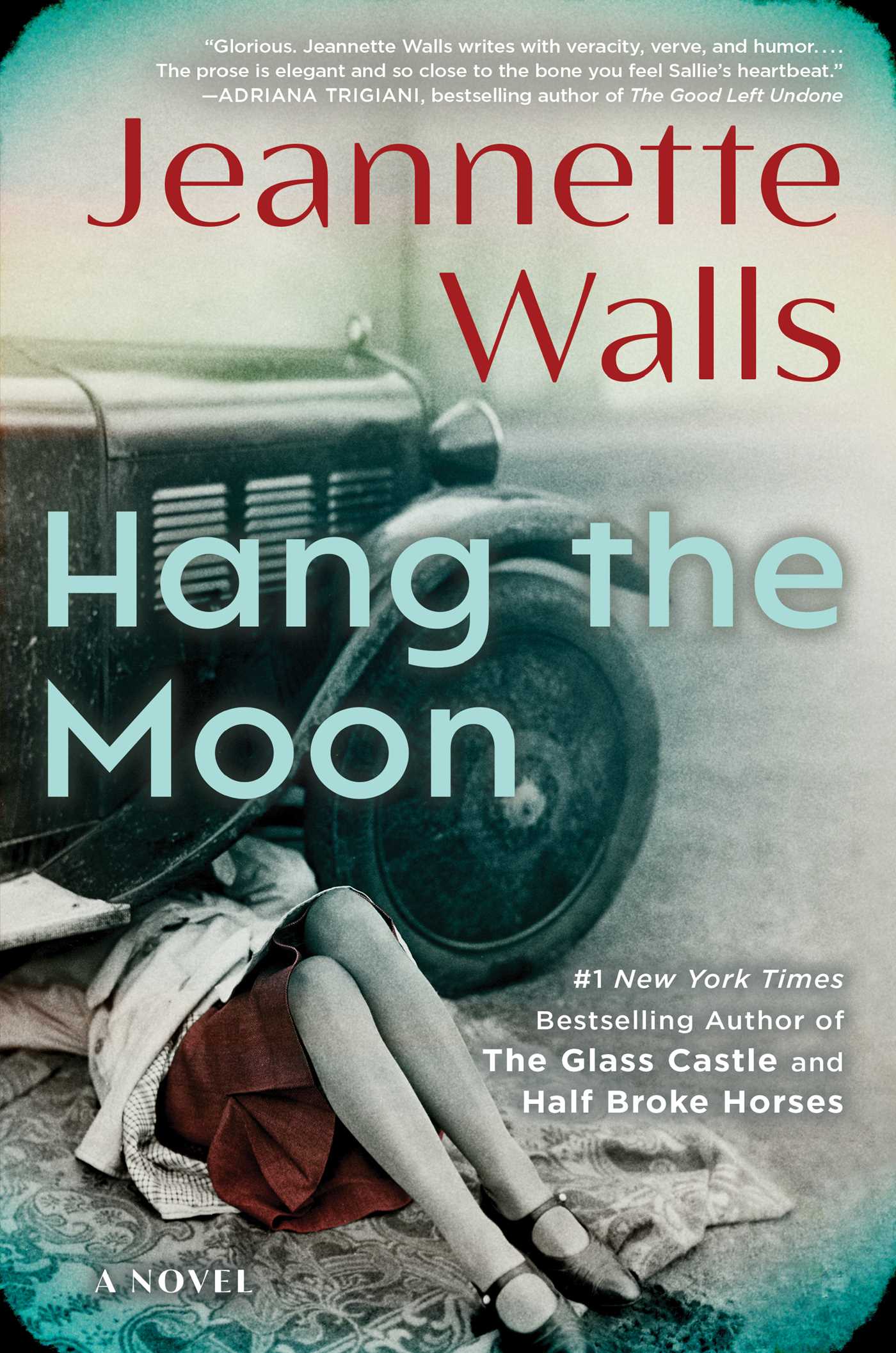
Hang the Moon
Named a LibraryReads Pick for March 2023 and a Most Anticipated Book of 2023 by Oprah Daily, Elle, and LitHub!
From Jeannette Walls, the #1 New York Times bestselling author of The Glass Castle, comes a riveting new novel about an indomitable young woman in Virginia during Prohibition.
Most folk thought Sallie Kincaid was a nobody who’d amount to nothing. Sallie had other plans.
Sallie Kincaid is the daughter of the biggest man in a small town, the charismatic Duke Kincaid. Born at the turn of the 20th century into a life of comfort and privilege, Sallie remembers little about her mother who died in a violent argument with the Duke. By the time she is just eight years old, the Duke has remarried and had a son, Eddie. While Sallie is her father’s daughter, sharp-witted and resourceful, Eddie is his mother’s son, timid and cerebral. When Sallie tries to teach young Eddie to be more like their father, her daredevil coaching leads to an accident, and Sallie is cast out.
Nine years later, she returns, determined to reclaim her place in the family. That’s a lot more complicated than Sallie expected, and she enters a world of conflict and lawlessness. Sallie confronts the secrets and scandals that hide in the shadows of the Big House, navigates the factions in the family and town, and finally comes into her own as a bold, sometimes reckless bootlegger.
You will fall in love with Sallie Kincaid, a feisty and fearless, terrified and damaged young woman who refuses to be corralled. -
The Marriage Portrait
The author of Hamnet--New York Times best seller and National Book Critics Circle Award winner--brings the world of Renaissance Italy to jewel-bright life in this unforgettable fictional portrait of the captivating young duchess Lucrezia de' Medici as she makes her way in a troubled court.
Florence, the 1550s. Lucrezia, third daughter of the grand duke, is comfortable with her obscure place in the palazzo: free to wonder at its treasures, observe its clandestine workings, and devote herself to her own artistic pursuits. But when her older sister dies on the eve of her wedding to the ruler of Ferrara, Modena and Reggio, Lucrezia is thrust unwittingly into the limelight: the duke is quick to request her hand in marriage, and her father just as quick to accept on her behalf.
Having barely left girlhood behind, Lucrezia must now enter an unfamiliar court whose customs are opaque and where her arrival is not universally welcomed. Perhaps most mystifying of all is her new husband himself, Alfonso. Is he the playful sophisticate he appeared to be before their wedding, the aesthete happiest in the company of artists and musicians, or the ruthless politician before whom even his formidable sisters seem to tremble?
As Lucrezia sits in constricting finery for a painting intended to preserve her image for centuries to come, one thing becomes worryingly clear. In the court's eyes, she has one duty: to provide the heir who will shore up the future of the Ferranese dynasty. Until then, for all of her rank and nobility, the new duchess's future hangs entirely in the balance.
Full of the beauty and emotion with which she illuminated the Shakespearean canvas of Hamnet, Maggie O'Farrell turns her talents to Renaissance Italy in an extraordinary portrait of a resilient young woman's battle for her very survival.
-
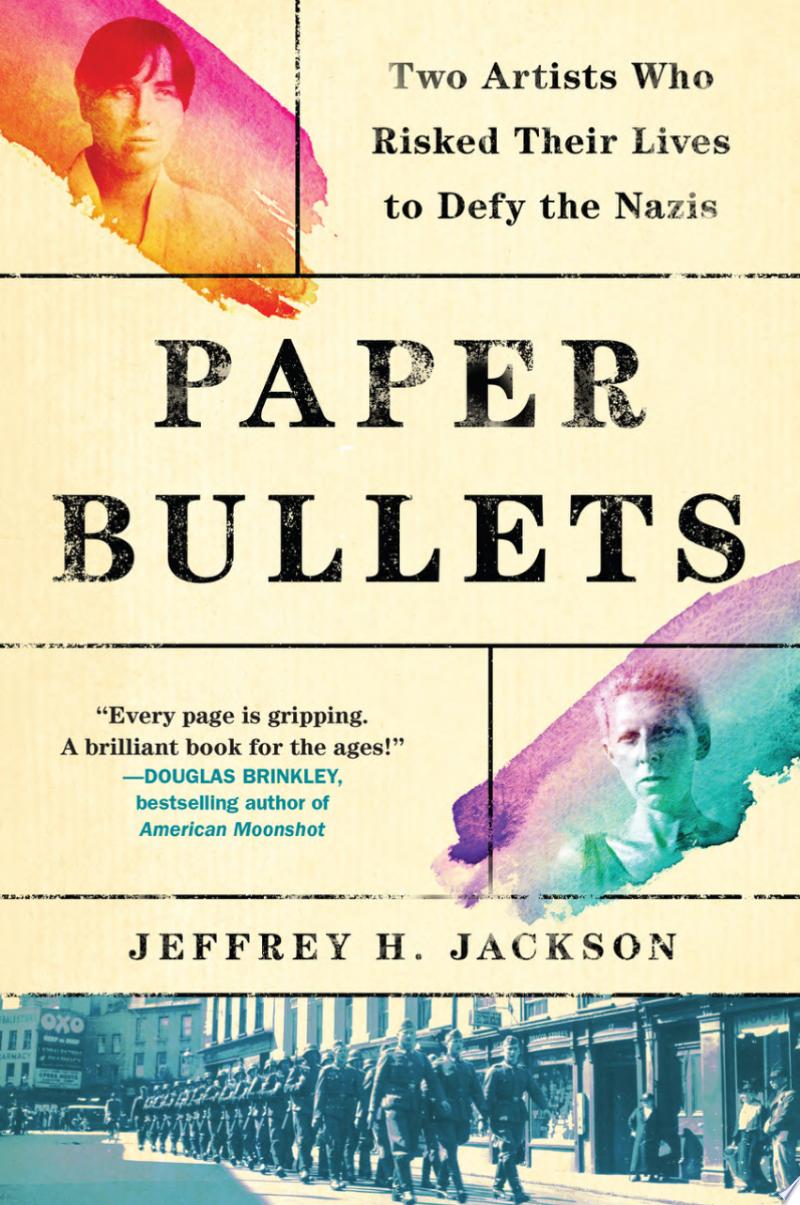
Paper Bullets
“A Nazi resistance story like none you’ve ever heard or read.” —Hampton Sides, author of Ghost Soldiers and On Desperate Ground
"Every page is gripping, and the amount of new research is nothing short of mind-boggling. A brilliant book for the ages!” —Douglas Brinkley, author of American Moonshot
A Stonewall Honor Book in Nonfiction
Longlisted for the Carnegie Medal for Excellence in Nonfiction
Paper Bullets is the first book to tell the history of an audacious anti-Nazi campaign undertaken by an unlikely pair: two French women, Lucy Schwob and Suzanne Malherbe, who drew on their skills as Parisian avant-garde artists to write and distribute “paper bullets”—wicked insults against Hitler, calls to rebel, and subversive fictional dialogues designed to demoralize Nazi troops occupying their adopted home on the British Channel Island of Jersey. Devising their own PSYOPS campaign, they slipped their notes into soldier’s pockets or tucked them inside newsstand magazines.
Hunted by the secret field police, Lucy and Suzanne were finally betrayed in 1944, when the Germans imprisoned them, and tried them in a court martial, sentencing them to death for their actions. Ultimately they survived, but even in jail, they continued to fight the Nazis by reaching out to other prisoners and spreading a message of hope.
Better remembered today by their artist names, Claude Cahun and Marcel Moore, the couple’s actions were even more courageous because of who they were: lesbian partners known for cross-dressing and creating the kind of gender-bending work that the Nazis would come to call “degenerate art.” In addition, Lucy was half Jewish, and they had communist affiliations in Paris, where they attended political rallies with Surrealists and socialized with artists like Gertrude Stein.
Paper Bullets is a compelling World War II story that has not been told before, about the galvanizing power of art, and of resistance. -
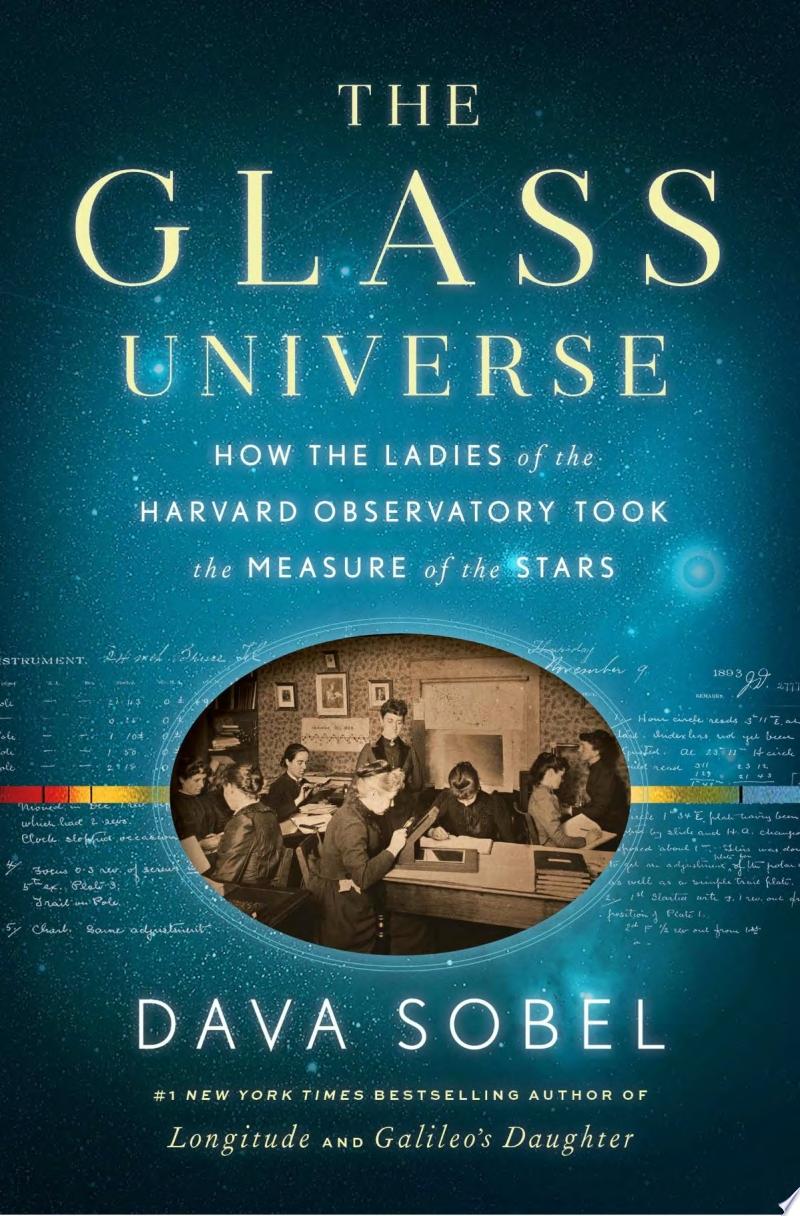
The Glass Universe
From #1 New York Times bestselling author Dava Sobel, the inspiring (People), little-known true story of women's landmark contributions to astronomy
A New York Times Book Review Notable BookNamed one of the best books of the year by NPR, The Economist, Smithsonian, Nature, and NPR's Science Friday
Nominated for the PEN/E.O. Wilson Literary Science Writing AwardA joy to read." --The Wall Street Journal
In the mid-nineteenth century, the Harvard College Observatory began employing women as calculators, or "human computers," to interpret the observations their male counterparts made via telescope each night. At the outset this group included the wives, sisters, and daughters of the resident astronomers, but soon the female corps included graduates of the new women's colleges--Vassar, Wellesley, and Smith. As photography transformed the practice of astronomy, the ladies turned from computation to studying the stars captured nightly on glass photographic plates.The "glass universe" of half a million plates that Harvard amassed over the ensuing decades--through the generous support of Mrs. Anna Palmer Draper, the widow of a pioneer in stellar photography--enabled the women to make extraordinary discoveries that attracted worldwide acclaim. They helped discern what stars were made of, divided the stars into meaningful categories for further research, and found a way to measure distances across space by starlight. Their ranks included Williamina Fleming, a Scottish woman originally hired as a maid who went on to identify ten novae and more than three hundred variable stars; Annie Jump Cannon, who designed a stellar classification system that was adopted by astronomers the world over and is still in use; and Dr. Cecilia Helena Payne, who in 1956 became the first ever woman professor of astronomy at Harvard--and Harvard's first female department chair.
Elegantly written and enriched by excerpts from letters, diaries, and memoirs, The Glass Universe is the hidden history of the women whose contributions to the burgeoning field of astronomy forever changed our understanding of the stars and our place in the universe.
-
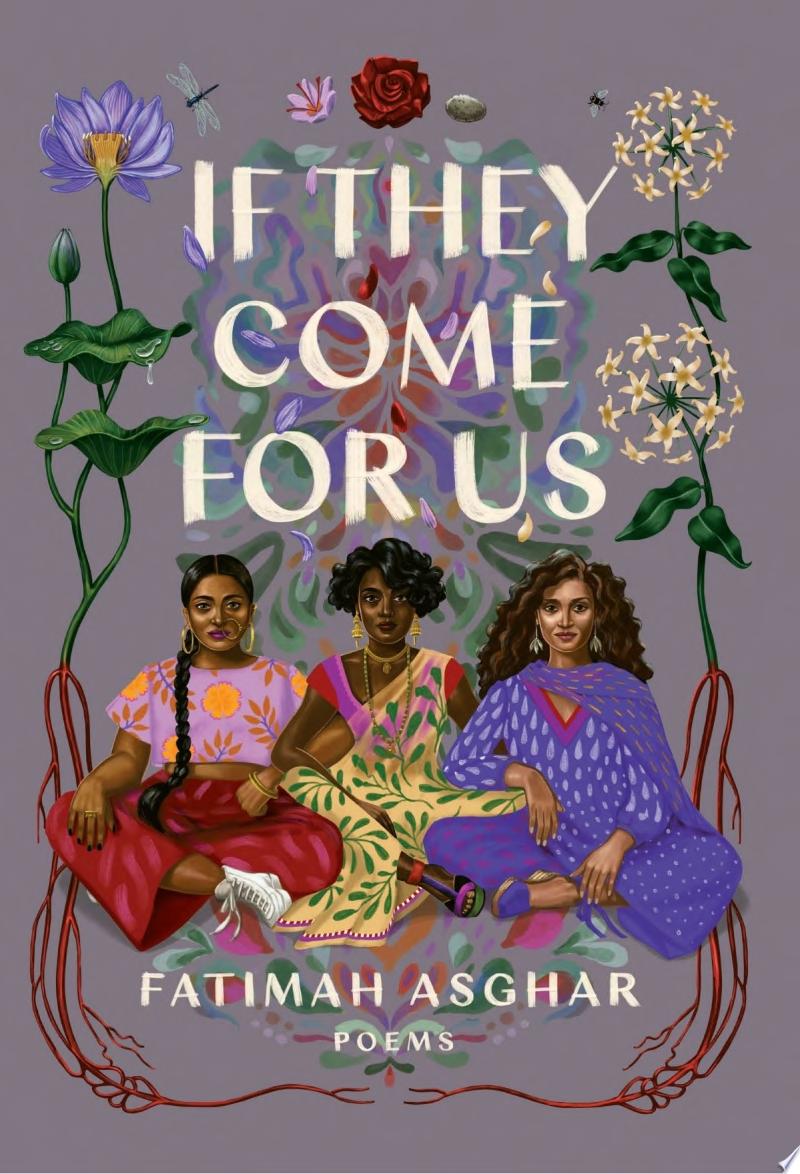
If They Come for Us
“A debut poetry collection showcasing both a fierce and tender new voice.”—Booklist
“Elegant and playful . . . The poet invents new forms and updates classic ones.”—Elle
“[Fatimah] Asghar interrogates divisions along lines of nationality, age, and gender, illuminating the forces by which identity is fixed or flexible.”—The New Yorker
NAMED ONE OF THE TOP TEN BOOKS OF THE YEAR BY THE NEW YORK PUBLIC LIBRARY • FINALIST FOR THE LAMBDA LITERARY AWARD
an aunt teaches me how to tell
an edible flower
from a poisonous one.
just in case, I hear her say, just in case.
From a co-creator of the Emmy-nominated web series Brown Girls comes an imaginative, soulful debut poetry that collection captures the experiences of being a young Pakistani Muslim woman in contemporary America. Orphaned as a child, Fatimah Asghar grapples with coming of age and navigating questions of sexuality and race without the guidance of a mother or father. These poems at once bear anguish, joy, vulnerability, and compassion, while also exploring the many facets of violence: how it persists within us, how it is inherited across generations, and how it manifests itself in our relationships. In experimental forms and language both lyrical and raw, Asghar seamlessly braids together marginalized people’s histories with her own understanding of identity, place, and belonging.
Praise for If They Come for Us
“In forms both traditional . . . and unorthodox . . . Asghar interrogates divisions along lines of nationality, age, and gender, illuminating the forces by which identity is fixed or flexible. Most vivid and revelatory are pieces such as ‘Boy,’ whose perspicacious turns and irreverent idiom conjure the rich, jagged textures of a childhood shadowed by loss.”—The New Yorker
“[Asghar’s] debut poetry collection cemented her status as one of the city’s greatest present-day poets. . . . A stunning work of art that tackles place, race, sexuality and violence. These poems—both personal and historical, both celebratory and aggrieved—are unquestionably powerful in a way that would doubtless make both Gwendolyn Brooks and Harriet Monroe proud.”—Chicago Review of Books
“Taut lines, vivid language, and searing images range cover to cover. . . . Inventive, sad, gripping, and beautiful.”—Library Journal (starred review) -
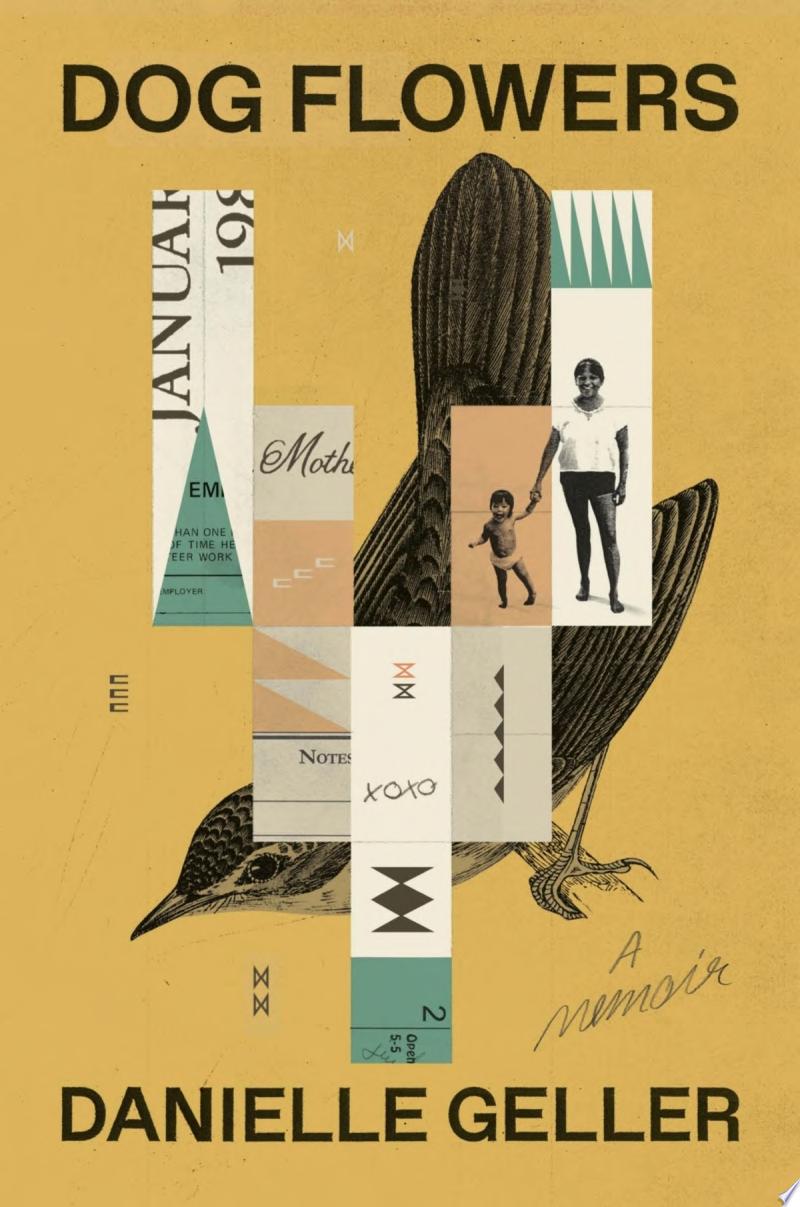
Dog Flowers
A daughter returns home to the Navajo reservation to retrace her mother’s life in a memoir that is both a narrative and an archive of one family’s troubled history.
“A candid and achingly fractured memoir of [Geller’s] mother, her family, her Navajo heritage and her own journey to self-discovery and acceptance.”—Ms.
ONE OF THE BEST BOOKS OF THE YEAR: Esquire, She Reads
When Danielle Geller’s mother dies of alcohol withdrawal during an attempt to get sober, Geller returns to Florida and finds her mother’s life packed into eight suitcases. Most were filled with clothes, except for the last one, which contained diaries, photos, and letters, a few undeveloped disposable cameras, dried sage, jewelry, and the bandana her mother wore on days she skipped a hair wash.
Geller, an archivist and a writer, uses these pieces of her mother’s life to try and understand her mother’s relationship to home, and their shared need to leave it. Geller embarks on a journey where she confronts her family's history and the decisions that she herself had been forced to make while growing up, a journey that will end at her mother's home: the Navajo reservation.
Dog Flowers is an arresting, photo-lingual memoir that masterfully weaves together images and text to examine mothers and mothering, sisters and caretaking, and colonized bodies. Exploring loss and inheritance, beauty and balance, Danielle Geller pays homage to our pasts, traditions, and heritage, to the families we are given and the families we choose. -
No Land to Light On
Exit West meets An American Marriage in this breathtaking and evocative novel about a young Syrian couple in the throes of new love, on the cusp of their bright future...when a travel ban rips them apart on the eve of their son's birth--from the author of the "absorbing page-turner" (People) The Girls at 17 Swann Street.
Hadi and Sama are a young Syrian couple flying high on a whirlwind love, dreaming up a life in the country that brought them together. She had come to Boston years before chasing dreams of a bigger life; he'd landed there as a sponsored refugee from a bloody civil war. Now, they are giddily awaiting the birth of their son, a boy whose native language would be freedom and belonging.
When Sama is five months pregnant, Hadi's father dies suddenly in Jordan, the night before his visa appointment at the embassy. Hadi flies back for the funeral, promising his wife that he'll only be gone for a few days. On the day his flight is due to arrive in Boston, Sama is waiting for him at the airport, eager to bring him back home. But as the minutes and then hours pass, she continues to wait, unaware that Hadi has been stopped at the border and detained for questioning, trapped in a timeless, nightmarish limbo.
Worlds apart, suspended between hope and disillusion as hours become days become weeks, Sama and Hadi yearn for a way back to each other, and to the life they'd dreamed up together. But does that life exist anymore, or was it only an illusion?
Achingly intimate yet poignantly universal, No Land to Light On is the story of a family caught up in forces beyond their control, fighting for the freedom and home they found in one another.
-
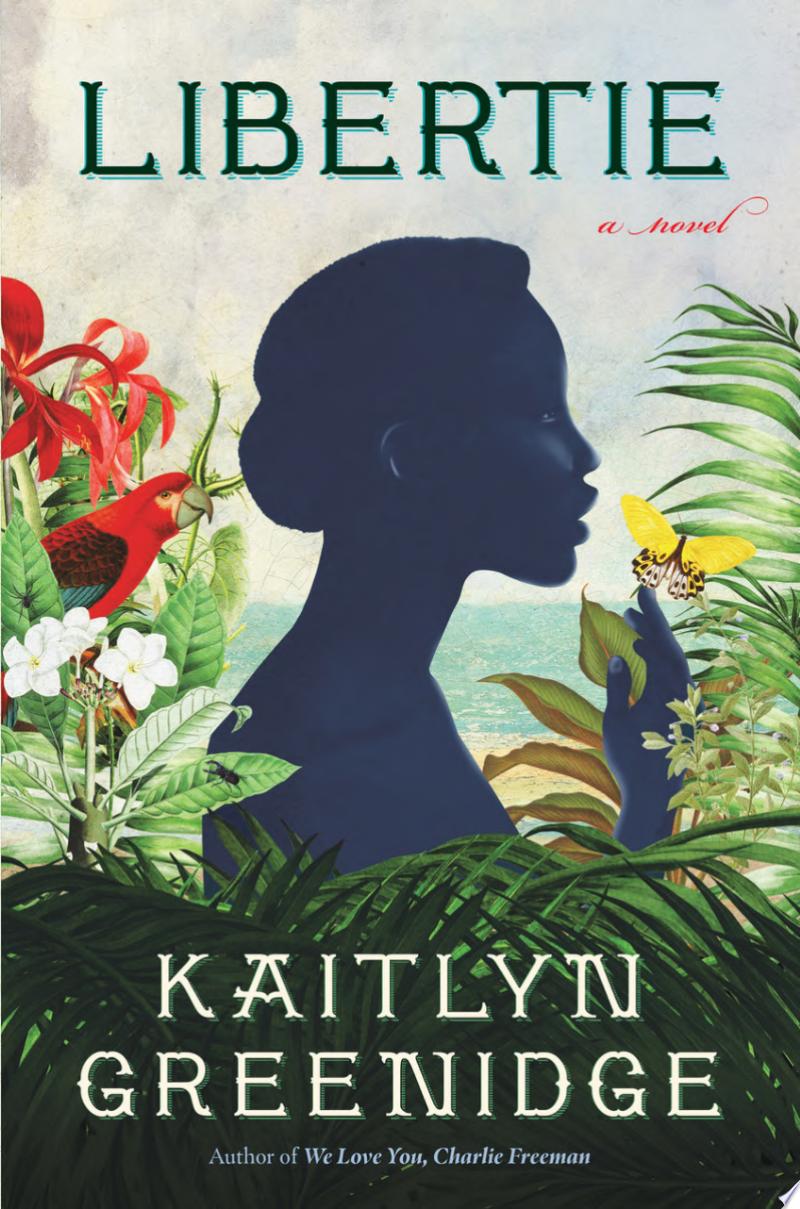
Libertie
Named One of the Most-Anticipated Books of 2021 by:
O, The Oprah Magazine, The New York Times, The Washington Post, Time, The Millions, Refinery29, Publishers Lunch, BuzzFeed, The Rumpus, BookPage, Harper's Bazaar, Ms., Goodreads, and more
“An elegantly layered, beautifully rendered tour de force that is not to be missed.”
—Roxane Gay, author of Hunger
“Libertie is a feat of monumental thematic imagination.”
—Margaret Wilkerson Sexton, The New York Times Book Review
“This is one of the most thoughtful and amazingly beautiful books I’ve read all year. Kaitlyn Greenidge is a master storyteller.”
—Jacqueline Woodson, author of Red at the Bone
The critically acclaimed and Whiting Award–winning author of We Love You, Charlie Freeman returns with Libertie, an unforgettable story about one young Black girl’s attempt to find a place where she can be fully, and only, herself.
Coming of age in a free Black community in Reconstruction-era Brooklyn, Libertie Sampson is all too aware that her purposeful mother, a practicing physician, has a vision for their future together: Libertie is to go to medical school and practice alongside her. But Libertie, drawn more to music than science, feels stifled by her mother’s choices and is hungry for something else—is there really only one way to have an autonomous life? And she is constantly reminded that, unlike her light-skinned mother, Libertie will not be able to pass for white. When a young man from Haiti proposes to Libertie and promises she will be his equal on the island, she accepts, only to discover that she is still subordinate to him and all men. As she tries to parse what freedom actually means for a Black woman, Libertie struggles with where she might find it—for herself and for generations to come.
Inspired by the life of one of the first Black female doctors in the United States and rich with historical detail, Kaitlyn Greenidge’s new and immersive novel will resonate with readers eager to understand our present through a deep, moving, and lyrical dive into our past. -
The Light of Days
THE INSTANT NEW YORK TIMES BESTSELLER!
Also on the USA Today, Washington Post, Boston Globe, Globe and Mail, Publishers Weekly, and Indie bestseller lists.
One of the most important stories of World War II, already optioned by Steven Spielberg for a major motion picture: a spectacular, searing history that brings to light the extraordinary accomplishments of brave Jewish women who became resistance fighters--a group of unknown heroes whose exploits have never been chronicled in full, until now.
Witnesses to the brutal murder of their families and neighbors and the violent destruction of their communities, a cadre of Jewish women in Poland--some still in their teens--helped transform the Jewish youth groups into resistance cells to fight the Nazis. With courage, guile, and nerves of steel, these "ghetto girls" paid off Gestapo guards, hid revolvers in loaves of bread and jars of marmalade, and helped build systems of underground bunkers. They flirted with German soldiers, bribed them with wine, whiskey, and home cooking, used their Aryan looks to seduce them, and shot and killed them. They bombed German train lines and blew up a town's water supply. They also nursed the sick, taught children, and hid families.
Yet the exploits of these courageous resistance fighters have remained virtually unknown.
As propulsive and thrilling as Hidden Figures, In the Garden of Beasts, and Band of Brothers, The Light of Days at last tells the true story of these incredible women whose courageous yet little-known feats have been eclipsed by time. Judy Batalion--the granddaughter of Polish Holocaust survivors--takes us back to 1939 and introduces us to Renia Kukielka, a weapons smuggler and messenger who risked death traveling across occupied Poland on foot and by train. Joining Renia are other women who served as couriers, armed fighters, intelligence agents, and saboteurs, all who put their lives in mortal danger to carry out their missions. Batalion follows these women through the savage destruction of the ghettos, arrest and internment in Gestapo prisons and concentration camps, and for a lucky few--like Renia, who orchestrated her own audacious escape from a brutal Nazi jail--into the late 20th century and beyond.
Powerful and inspiring, featuring twenty black-and-white photographs, The Light of Days is an unforgettable true tale of war, the fight for freedom, exceptional bravery, female friendship, and survival in the face of staggering odds.
-
Vanguard
"According to conventional wisdom, American women's campaign for the vote began with the Seneca Falls convention of 1848 and ended with the ratification of the Nineteenth Amendment in 1920. The movement was led by storied figures such as Elizabeth Cady Stanton and Susan B. Anthony. But this women's movement was an overwhelmingly white one, and it secured the constitutional right to vote for white women, not for all women. In Vanguard, acclaimed historian Martha Jones offers a sweeping history of African American women's political lives in America, recounting how they fought for, won, and used the right to the ballot and how they fought against both racism and sexism. From 1830s Boston to the passage of the Voting Rights Act in 1965 and beyond to Shirley Chisholm, Stacey Abrams, and Kamala Harris, Jones excavates the lives and work of black women who, although in many cases suffragists, were never single-issue activists. She recounts the lives of Maria Stewart, the first American woman to speak about politics before a mixed audience of men and women African Methodist Episcopal preacher Jarena Lee Reconstruction-era advocate for female suffrage Frances Ellen Watkins Harper Boston abolitionist, religious leader, and women's club organizer Eliza Ann Gardner, and other hidden figures who were pioneers for both gender and racial equality. Revealing the ways black women remained independent in their ideas and their organization, Jones shows how black women were again and again the American vanguard of women's rights, setting the pace in the quest for justice and collective liberation. In the twenty-first century, black women's power at the polls and in politics is evident. Vanguard reveals that this power is not at all new, but is instead the culmination of two centuries of dramatic struggle"--
-
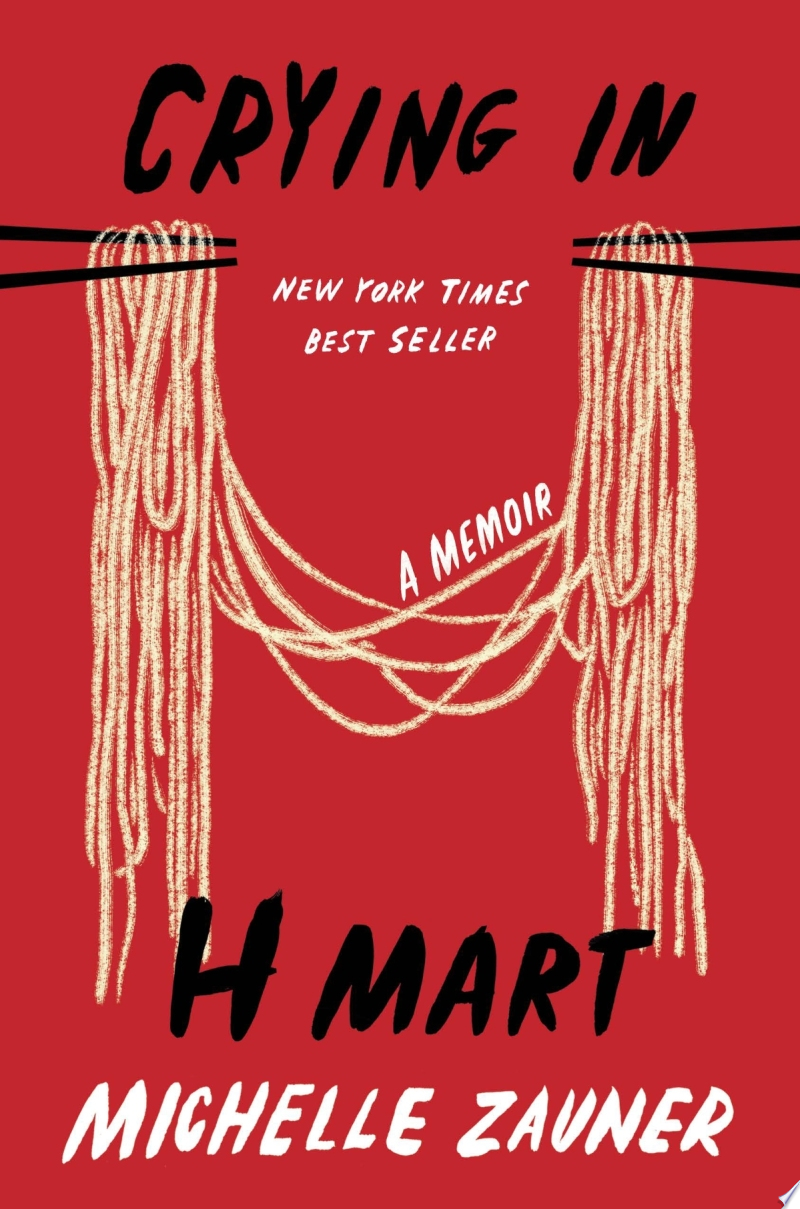
Crying in H Mart
NEW YORK TIMES BEST SELLER - A Best Book of 2021: Entertainment Weekly, Good Morning America, Wall Street Journal, and more
From the indie rockstar of Japanese Breakfast fame, and author of the viral 2018 New Yorker essay that shares the title of this book, an unflinching, powerful memoir about growing up Korean American, losing her mother, and forging her own identity.
In this exquisite story of family, food, grief, and endurance, Michelle Zauner proves herself far more than a dazzling singer, songwriter, and guitarist. With humor and heart, she tells of growing up one of the few Asian American kids at her school in Eugene, Oregon; of struggling with her mother's particular, high expectations of her; of a painful adolescence; of treasured months spent in her grandmother's tiny apartment in Seoul, where she and her mother would bond, late at night, over heaping plates of food.
As she grew up, moving to the East Coast for college, finding work in the restaurant industry, and performing gigs with her fledgling band--and meeting the man who would become her husband--her Koreanness began to feel ever more distant, even as she found the life she wanted to live. It was her mother's diagnosis of terminal cancer, when Michelle was twenty-five, that forced a reckoning with her identity and brought her to reclaim the gifts of taste, language, and history her mother had given her.
Vivacious and plainspoken, lyrical and honest, Zauner's voice is as radiantly alive on the page as it is onstage. Rich with intimate anecdotes that will resonate widely, and complete with family photos, Crying in H Mart is a book to cherish, share, and reread.
Women's History for Kids & Families
-
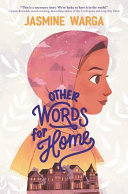
Other Words for Home
A gorgeously written, hopeful middle grade novel in verse about a young girl who must leave Syria to move to the United States, perfect for fans of Jason Reynolds and Aisha Saeed.
Jude never thought she’d be leaving her beloved older brother and father behind, all the way across the ocean in Syria. But when things in her hometown start becoming volatile, Jude and her mother are sent to live in Cincinnati with relatives.
At first, everything in America seems too fast and too loud. The American movies that Jude has always loved haven’t quite prepared her for starting school in the US—and her new label of “Middle Eastern,” an identity she’s never known before.
But this life also brings unexpected surprises—there are new friends, a whole new family, and a school musical that Jude might just try out for. Maybe America, too, is a place where Jude can be seen as she really is.
This lyrical, life-affirming story is about losing and finding home and, most importantly, finding yourself.
-
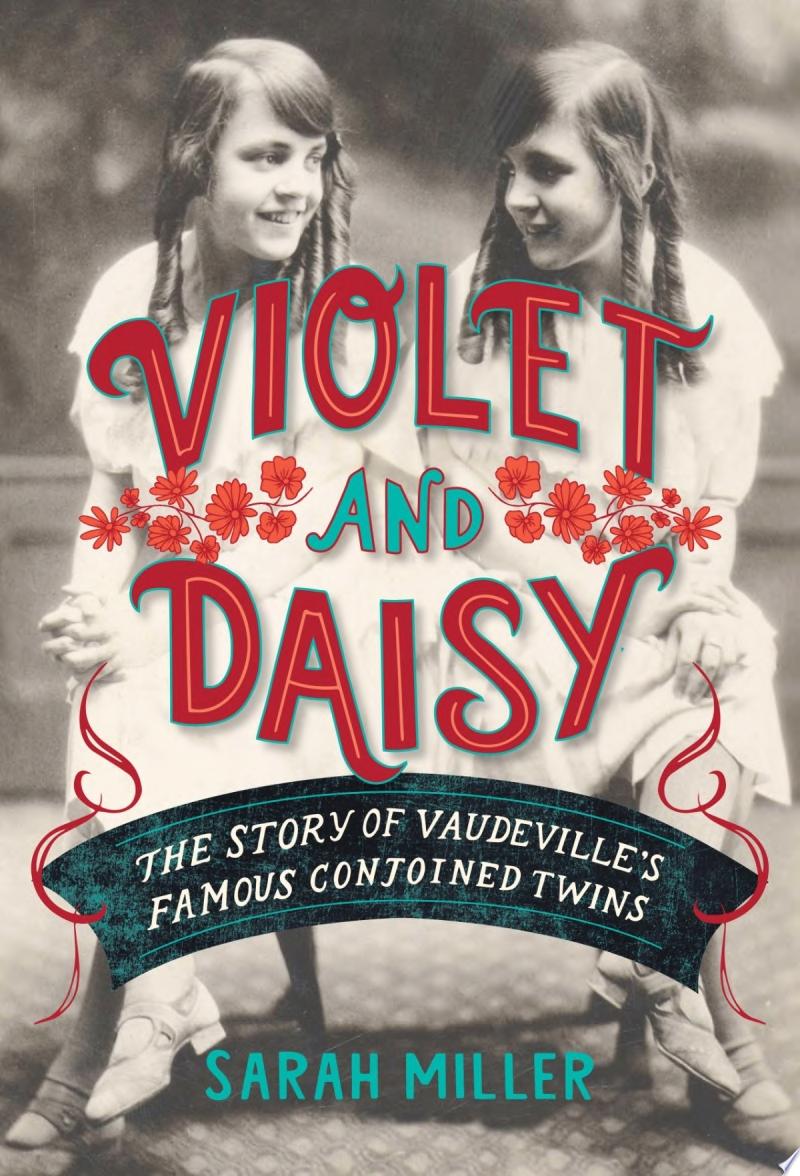
Violet and Daisy
From the author of The Miracle & Tragedy of the Dionne Quintuplets and The Borden Murders comes the absorbing and compulsively readable story of Violet and Daisy Hilton, conjoined twins who were the sensation of the US sideshow circuits in the 1920s and 1930s.
On February 5, 1908, Kate Skinner, a 21-year-old unmarried barmaid in Brighton, England, gave birth to twin girls. They each had ten fingers and ten toes, but were joined back to back at the base of the spine. Freaks, monsters--that's what they were called. Mary Hilton, Kate's employer and midwife, adopted Violet and Daisy and promptly began displaying the babies as "Brighton's United Twins." Exhibitions at street fairs, carnivals, and wax museums across England and Scotland followed. At 8 years old, the girls came to the United States, eventually becoming the stars of sideshow, vaudeville, and burlesque circuits in the 1920s and 1930s. In a story loaded with questions about identity and exploitation, Sarah Miller delivers a completely compelling, empathetic portrait of two sisters whose bonds were so sacred that nothing — not even death— would compel Violet and Daisy to break them. -
A Perfect Fit
Discover how the Lane Bryant clothing brand changed the way we buy clothes forever by celebrating bodies of all shapes and sizes in this inclusive picture book biography of a Lithuanian immigrant with a brilliant eye for fashion and business. With stunning artwork from Sibert medalist Juana Martinez-Neal.
Lena came to America with nothing but a dream--and an exceptional ability to drape and snip and stitch. She never used a pattern or a tape measure, but every dress she sewed turned out to be a perfect fit. Then, one day, a customer presented her with a new challenge. Could she design a stylish, comfortable gown for a body shape that did not meet the current standards of fashion? Lena took the challenge. Under the company name Lane Bryant, she became famous for flattering and modish clothing designed for all different shapes and sizes. The world of fashion would never be the same. -
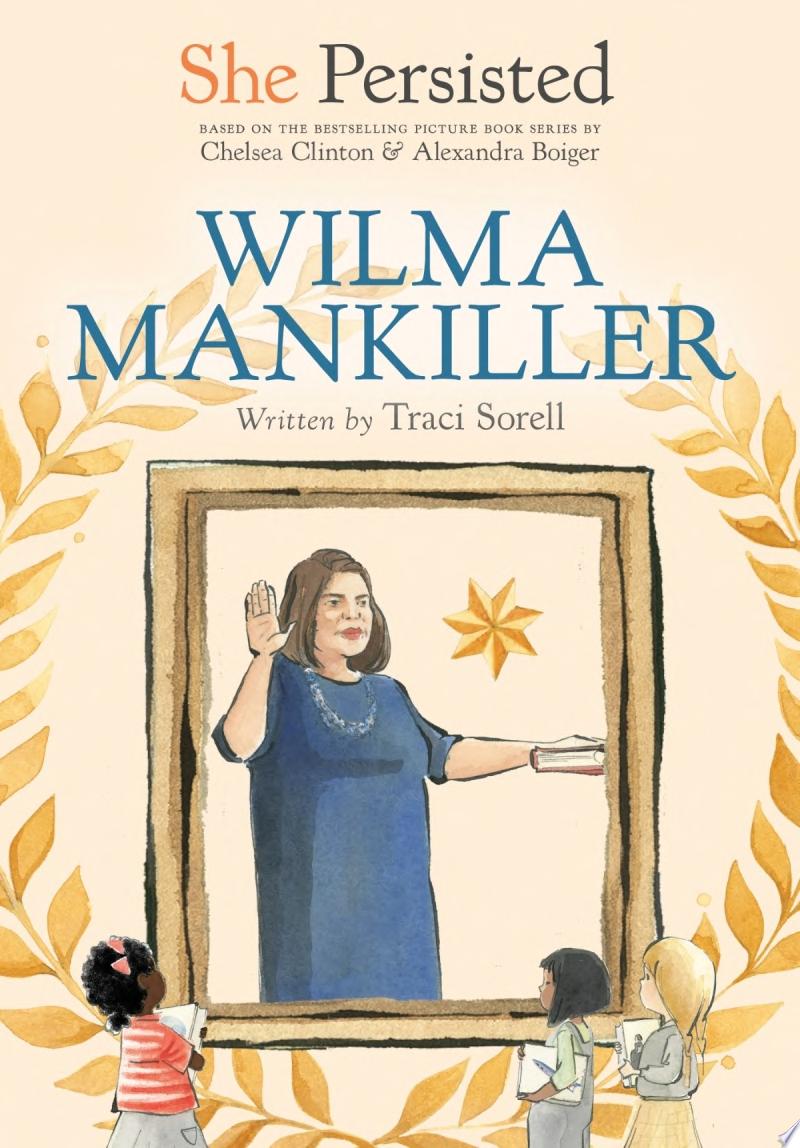
She Persisted: Wilma Mankiller
Inspired by the #1 New York Times bestseller She Persisted by Chelsea Clinton and Alexandra Boiger, a chapter book series about women who spoke up and rose up against the odds--including Wilma Mankiller!
The descendant of Cherokee ancestors who had been forced to walk the Trail of Tears, Wilma Mankiller experienced her own forced removal from the land she grew up on as a child. As she got older and learned more about the injustices her people had faced, she dedicated her life to instilling pride in Native heritage and reclaiming Native rights. She went on to become the first woman Principal Chief of the Cherokee Nation.
In this chapter book biography by award-winning author Traci Sorell, readers learn about the amazing life of Wilma Mankiller--and how she persisted.
Complete with an introduction from Chelsea Clinton, black-and-white illustrations throughout, and a list of ways that readers can follow in Wilma Mankiller's footsteps and make a difference! A perfect choice for kids who love learning and teachers who want to bring inspiring women into their curriculum.
And don’t miss out on the rest of the books in the She Persisted series, featuring so many more women who persisted! -
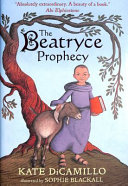
The Beatryce Prophecy
This is a magical medieval tale of fate, love and the power of words to spell the world. We shall all, in the end, be led to where we belong. We shall all, in the end, find our way home. In a time of war, a mysterious child appears at the monastery of the Order of the Chronicles of Sorrowing. Gentle Brother Edik finds the girl, Beatryce, curled in a stall, wracked with fever, coated in dirt and blood and holding fast to the ear of Answelica the recalcitrant goat. As the monk nurses Beatryce to health, he uncovers her dangerous secret - one that imperils them all. And so it is that a girl with a head full of stories must venture into a dark wood in search of the castle of a king who wishes her dead. But should she lose her way, Beatryce knows that those who love her - a wild-eyed monk, a man who had once been king, a boy with a terrible sword and a goat with a head as hard as stone - will never give up searching for her. And to know this is to know everything.
-
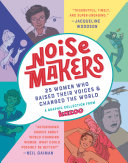
Noisemakers
"Thoughtful, timely and Super-Engaging. So glad the powerhouse young people coming up have Kazoo as a blueprint, a roadmap, and a glimpse into history." -Jacqueline Woodson
"Astonishing comics about world-changing women. What could possibly be better?"--Neil Gaiman
"All the women in this book were discouraged from doing the work they were born to do. Fortunately, they didn't let that stop them. Here are their riveting stories, told in unputdownable comics. I wish I'd had NOISEMAKERS when I was growing up." -Alison Bechdel
From the creators of Kazoo magazine, a quarterly magazine for girls ages 5-12, which Amy Poehler's Smart Girls called "required reading," comes a graphic novel anthology of women who are not afraid to make some noise!
Did anyone ever get anywhere by being quiet? To change anything, you have to make some noise! From the creators of the award-winning Kazoo magazine comes a look at the lives of 25 extraordinary women through the eyes of 25 extraordinary comic artists. In chapters titled Grow, Tinker, Play, Create, Rally, and Explore, you'll meet Eugenie Clark, who swam with sharks, Raye Montague, who revolutionized the design process for ships, Hedy Lamarr, a beautiful actress and brilliant inventor, Julia Child, a chef who wasn't afraid to make mistakes, Kate Warne, the first female detective, who saved the life of President-Elect Abraham Lincoln, and many more.
In 25 distinct styles from some of the most exciting comic artists, Noisemakers is for everyone who is not afraid to use their voice and for those who could use a little boost. -
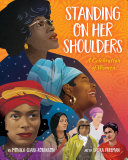
Standing on Her Shoulders
A stunning love letter to the important women who shape us -- from our own mothers and grandmothers to the legends who paved the way for girls and women everywhere.
Standing on Her Shoulders is a celebration of the strong women who influence us -- from our mothers, sisters, aunts, and grandmothers to the women who fought for equality and acceptance in the United States.
Monica Clark-Robinson's lyrical text encourages young girls to learn about the powerful and trailblazing women who laid the path for their own lives and empowers them to become role models themselves. Acclaimed illustrator Laura Freeman's remarkable art showcases a loving intergenerational family and encourages girls to find female heroes in their own lives.
Standing on Her Shoulders will inspire girls of all ages to follow in the footsteps of these amazing women.
-
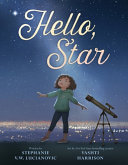
Hello, Star
Stunningly illustrated by #1 New York Times bestselling artist Vashti Harrison, Hello, Star (written by Stephanie V.W. Lucianovic) is an inspiring story about a love of science and the importance of empathy. When a young girl learns that a bright light in the sky is coming from a dying star, she promises to keep it company until the light goes out. Every night the girl reassures her friend that she is still there.
As the years pass, the girl learns everything she can about planets, space, and the universe, inspired by her dimming friend--until she realizes she needs to do something more.
This touching tribute to stars, space, and science celebrates how a small act of compassion can flourish into a life full of meaning and wonder.
-
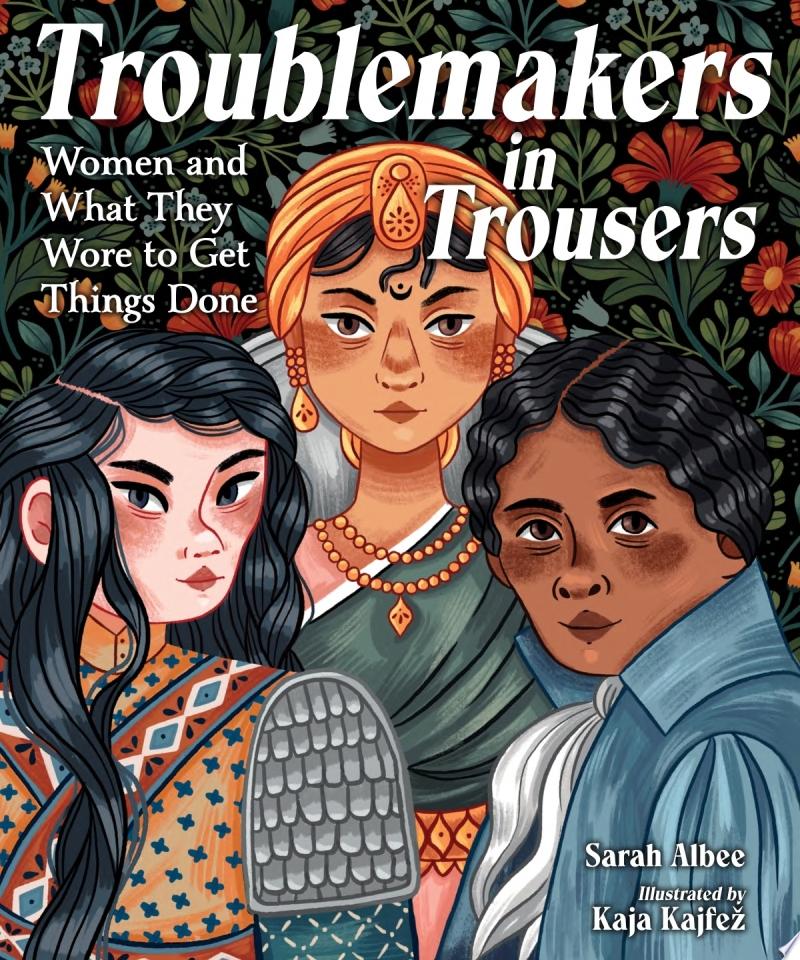
Troublemakers in Trousers
Meet twenty-one women throughout history who broke fashion and norms to do something groundbreaking in this unique middle-grade collection that celebrates trailblazers and troublemakers.
Girls and women have historically been denied access to work, been blocked from the arts, refused the opportunity to lead and fight, and much more, simply because of their gender. From Hatshepsut to Joan of Arc to Frida Kahlo, Troublemakers in Trousers highlights twenty-one women who, for different reasons, wore men’s clothing, pretended to be men, and broke the rules in order to do something they wanted—or needed—to do.
The perfect modern-day introduction to women throughout history who broke boundaries and pushed the limits set by society. -
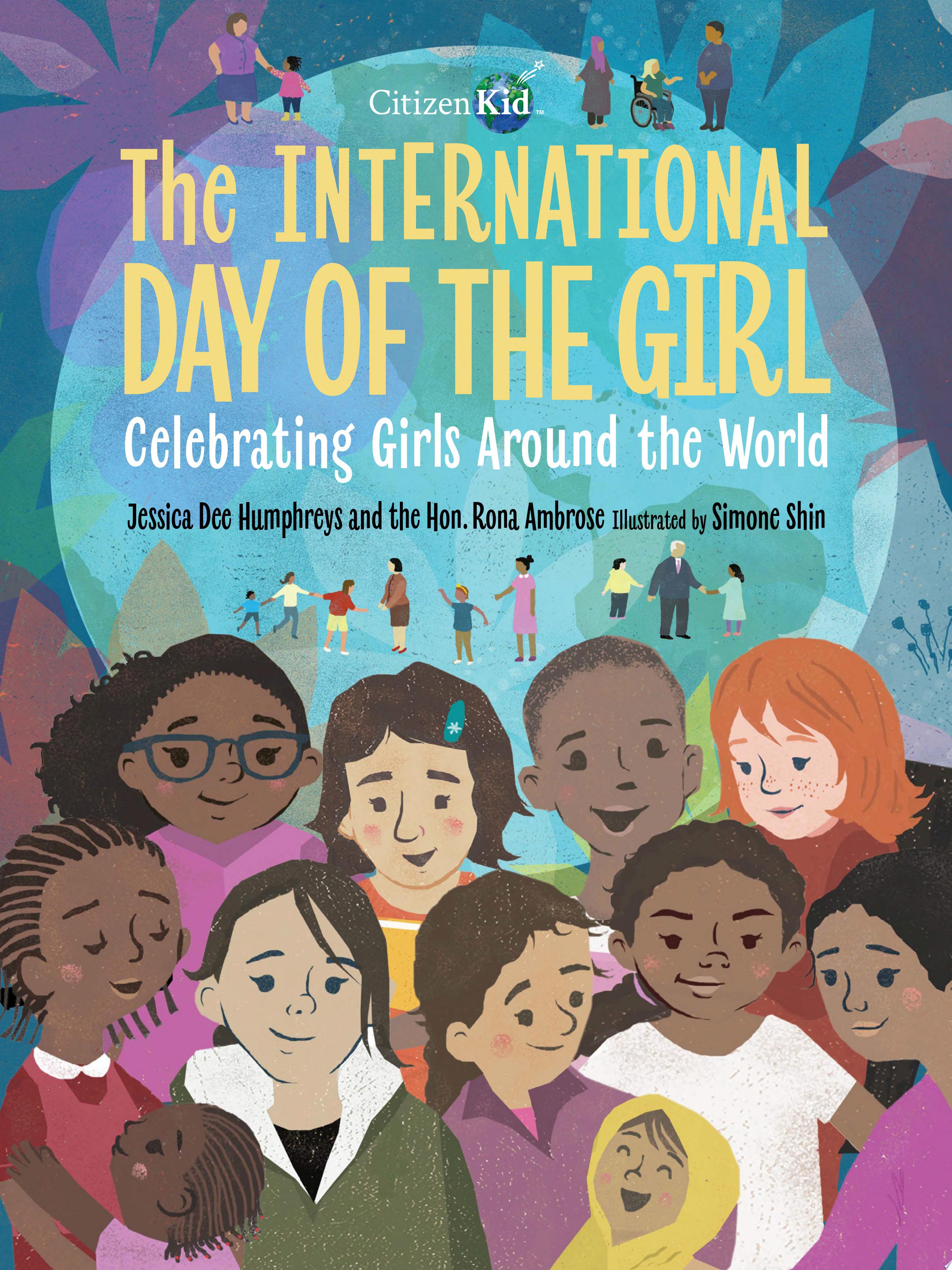
International Day of the Girl, The
An introduction to the International Day of the Girl — and why it matters. Celebrated every October 11th, the United Nation’s International Day of the Girl was created to increase awareness of issues that affect girls — and only girls — and to encourage progress toward gender equality. Nine stories inspired by the real-life experiences of girls from all over the globe bring to light the importance of this day. From gender-based violence to illiteracy, sanitation to child marriage, each story is set in a different country and sensitively describes a situation in which the main character faces an inequity based on her gender and young age. With realistic yet hopeful outcomes for each story, girls are presented as reformers, not victims. Ordinary girls making a powerful difference — these stories will stir the activist in every child!
-
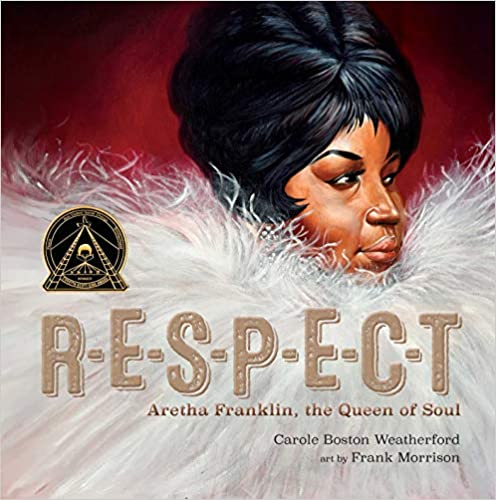
RESPECT
From a creative team with multiple Caldecott Honors comes this vibrant portrait of Aretha Franklin that pays her the R-E-S-P-E-C-T this Queen of Soul deserves.
Aretha Franklin was born to sing. The daughter of a pastor and a gospel singer, her musical talent was clear from her earliest days in her father’s Detroit church where her soaring voice spanned more than three octaves.
Her string of hit songs earned her the title “the Queen of Soul,” multiple Grammy Awards, and a place in the Rock & Roll Hall of Fame. But Aretha didn’t just raise her voice in song, she also spoke out against injustice and fought for civil rights.
This authoritative, rhythmic picture book biography will captivate young readers with Aretha’s inspiring story. -
Sharice's Big Voice
This acclaimed picture book autobiography tells the triumphant story of Sharice Davids, one of the first Native American women elected to Congress, and the first LGBTQ congressperson to represent Kansas.
When Sharice Davids was young, she never thought she'd be in Congress. And she never thought she'd be one of the first Native American women in Congress. During her campaign, she heard from a lot of doubters. They said she couldn't win because of how she looked, who she loved, and where she came from.
But everyone's path looks different and everyone's path has obstacles. And this is the remarkable story of Sharice Davids' path to Congress.
Beautifully illustrated by Joshua Mangeshig Pawis-Steckley, an Ojibwe Woodland artist, this powerful autobiographical picture book teaches readers to use their big voice and that everyone deserves to be seen--and heard!
The back matter includes information about the Ho-Chunk written by former Ho-Chunk President Jon Greendeer, an artist note, and an inspiring letter to children from Sharice Davids.
"Rich, vivid illustrations by Ojibwe Woodland artist Pawis-Steckley are delivered in a graphic style that honors Indigenous people. The bold artwork adds impact to the compelling text." (Kirkus starred review)
"The prose is reminiscent of an inspirational speech ("Everyone's path looks different"), with a message of service that includes fun biographical facts, such as her love of Bruce Lee. Pawis-Steckley (who is Ojibwe Woodland) contributes boldly lined and colored digital illustrations, inflected with Native symbols and bold colors. A hopeful and accessible picture book profile." (Publishers Weekly)
"Affecting picture-book autobiography." (The Horn Book)
Acclaim includes:
- A Bank Street Best Children's Book of the Year 2022 - Outstanding Merit in biography and memoir
- On Here Wee Read's 2021 Ultimate List of Diverse Children's Books
- 2022 ALSC Notable Children's Books in the middle readers category
- 2022 Booklist from Rise: A Feminist Book Project--Early Readers Nonfiction
- Nominee for 2022 Reading the West book award
- Selected as CCBC Choices 2022--biography, autobiography and memoir
-
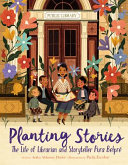
Planting Stories: The Life of Librarian and Storyteller Pura Belpré
*Indie Next List Pick*
*Junior Library Guild Selection*
“An appealing tribute and successful remedy to the lack of titles about the groundbreaking librarian…a must-have for all libraries.” —School Library Journal (starred review)
An inspiring picture book biography of storyteller, puppeteer, and New York City’s first Puerto Rican librarian, who championed bilingual literature.
When she came to America in 1921, Pura Belpré carried the cuentos folklóricos of her Puerto Rican homeland. Finding a new home at the New York Public Library as a bilingual assistant, she turned her popular retellings into libros and spread story seeds across the land. Today, these seeds have grown into a lush landscape as generations of children and storytellers continue to share her tales and celebrate Pura’s legacy.
Brought to colorful life by Paola Escobar’s elegant and exuberant illustrations and Anika Aldamuy Denise’s lyrical text, this gorgeous book is perfect for the pioneers in your life.
Informative backmatter and suggested further reading included.
A Spanish-language edition, Sembrando historias: Pura Belpré: bibliotecaria y narradora de cuentos, is also available.
-
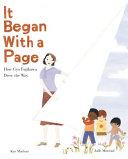
It Began with a Page: How Gyo Fujikawa Drew the Way
* 4 Starred Reviews *
* An Indie Next List Pick *
"Playful, bold, and, much like its subject, full of grace." --Jillian Tamaki, Caldecott Honor winner for This One Summer
"It Began with a Page tells [Gyo Fujikawa's] story beautifully, in picture-book form." --The New Yorker
From beloved team Kyo Maclear and Julie Morstad (creators of Julia, Child and Bloom: A Story of Fashion Designer Elsa Schiaparelli) comes an elegant picture book biography that portrays the most moving moments in the life of Gyo Fujikawa, a groundbreaking Japanese American hero in the fight for racial diversity in picture books.
Equal parts picture book biography, inspiring story, and a look at racial diversity in America, It Began with a Page is a gem for any book lover, librarian, or child who dares to dream big.
Growing up in California, Gyo Fujikawa always knew that she wanted to be an artist. She was raised among strong women, including her mother and teachers, who encouraged her to fight for what she believed in. During World War II, Gyo's family was forced to abandon everything and was taken to an internment camp in Arkansas.
Far away from home, Gyo worked as an illustrator in New York while her innocent family was imprisoned. Seeing the diversity around her and feeling pangs from her own childhood, Gyo became determined to show all types of children in the pages of her books. There had to be a world where they saw themselves represented.
Gyo's book Babies was initially rejected by her publisher, but after she insisted, they finally relented, and Babies went on to sell almost two million copies. Gyo's books paved the way for publishers, teachers, and readers to see what we can be when we welcome others into our world.
The book includes extensive backmatter, including a note from the creators, a timeline, archival photos, and further information on Gyo Fujikawa.
A Chicago Public Library Best Book of 2019
A Kirkus Best of 2019 Picture Book
A 2020 ALSC Notable Children's Book
A 2020 Orbis Pictus Recommended Title awarded annually by NCTE (National Council of Teachers of English)
Featured in the 2019 Original Art Show at the Society of Illustrators
-
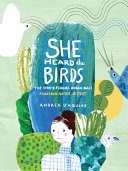
She Heard the Birds
Meet Florence Merriam Bailey, a pioneering birder and activist who changed the way we study birds forever, as told through the evocative collage style of artist Andrea D'Aquino.
As a young girl, Florence Merriam Bailey fell in love with the outdoors, especially birds, whose songs and flight captivated her. She listened, waited, and watched to better understand her feathered friends, and wrote many books, including one of the first field guides to American birds. Her work ultimately led to better protection for birds and to the scientific study of birds in nature instead of in a lab. She Heard the Birds, the latest book from A Life Made by Hand: The Story of Ruth Asawa author Andrea D'Aquino, brings to life the story of a woman ahead of her time. D'Aquino's striking full-page collages make each page a delight to read.
-
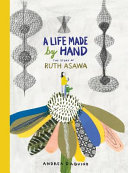
A Life Made by Hand
Ruth Asawa (1926-2013) was an influential and award-winning sculptor, a beloved figure in the Bay Area art world, and a devoted activist who advocated tirelessly for arts education. This lushly illustrated book by collage artist Andrea D'Aquino brings Asawa's creative journey to life, detailing the influence of her childhood in a farming family, and her education at Black Mountain College where she pursued an experimental course of education with leading avant-garde artists and thinkers such as Anni and Josef Albers, Buckminster Fuller, Merce Cunningham, and Robert Rauschenberg. Delightful and substantial, this engaging title for young art lovers includes a page of teaching tools for parents and educators.
-
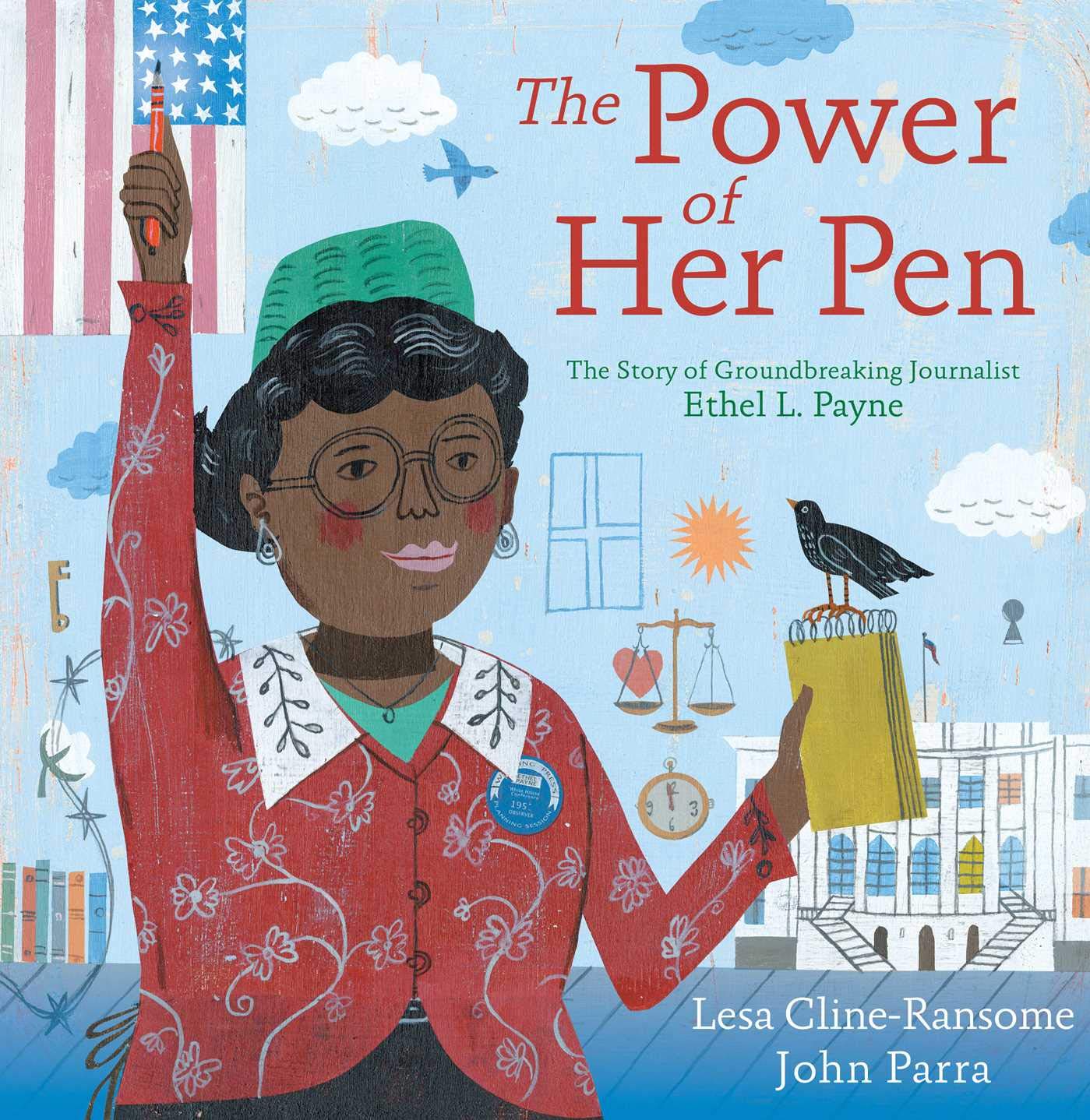
The Power of Her Pen
“A powerful story.” —The Horn Book
“A worthy addition to children’s biography collections.” —Booklist
“A solid treatment of an important but little-known figure, and it may prompt kids to think about the role and composition of a free press.” —BCCB
“Cline-Ransome tells [Ethel Payne’s] story with economy and drive. ‘Somebody had to do the fighting,’ she quotes Payne saying, ‘somebody had to speak up.’” —Publishers Weekly
Renowned author Lesa Cline-Ransome and celebrated illustrator John Parra unite to tell the inspiring story of Ethel Payne, a groundbreaking African American journalist known as the First Lady of the Black Press.
“I’ve had a box seat on history.”
Ethel Payne always had an ear for stories. Seeking truth, justice, and equality, Ethel followed stories from her school newspaper in Chicago to Japan during World War II. It even led her to the White House briefing room, where she broke barriers as the only black female journalist. Ethel wasn’t afraid to ask the tough questions of presidents, elected officials, or anyone else in charge, earning her the title, “First Lady of the Black Press.”
Fearless and determined, Ethel Payne shined a light on the darkest moments in history, and her ear for stories sought answers to the questions that mattered most in the fight for Civil Rights. -
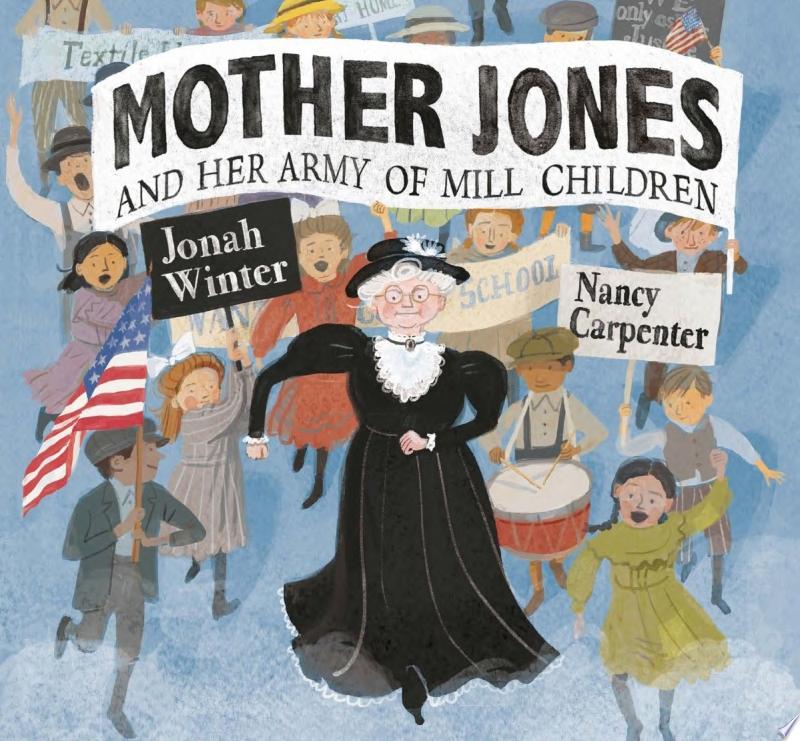
Mother Jones and Her Army of Mill Children
A stunning picture book about Mary "Mother" Jones and the 100 children who marched from Philadelphia to New York in a fiery protest against child labor.
Here's the inspiring story of the woman who raised her voice and fist to protect kids' childhoods and futures-- and changed America forever. Mother Jones is MAD, and she wants you to be MAD TOO, and stand up for what's right! Told in first-person, New York Times bestelling author, Jonah Winter, and acclaimed illustrator, Nancy Carpenter, share the incredible story of Mother Jones, an Irish immigrant who was essential in the fight to create child labor laws. Well into her sixties, Mother Jones had finally had enough of children working long hours in dangerous factory jobs, and decided she was going to do something about it. The powerful protests she organized earned her the name "the most dangerous woman in America." And in the Children's Crusade of 1903, she lead one hundred boys and girls on a glorious march from Philadelphia right to the front door of President Theodore Roosevelt's Long Island home.
Open this beautiful and inspiring picture book to learn more about this feminist icon and how she inspired thousands to make change.
-
Send a Girl!
Brenda Berkman was often told that she couldn't do certain things because she was a girl. When she grew up, she longed for a job that was challenging, different every day, and required physical and mental strength. In 1977 when the New York City Fire Department finally complied with the Civil Rights Act (from 1964) by allowing women to take the FDNY exam, Brenda jumped at the chance.
But the FDNY changed the rules of the exam so women wouldn't be able to pass it. Even a lot of men couldn't pass this new exam.
So Brenda Berkman took the FDNY to court. In 1982, they finally made a fair test, and Brenda and 40 other women passed. She then founded the United Women Firefighters, an organization that helps train and prepare women to be firefighters. Brenda went on to serve in the FDNY for 25 years, reaching the positions of Lieutenant and Captain, and was a first responder during the attacks on the Twin Towers on 9/11. Send a Girl! is Brenda Berkman's inspiring story. -
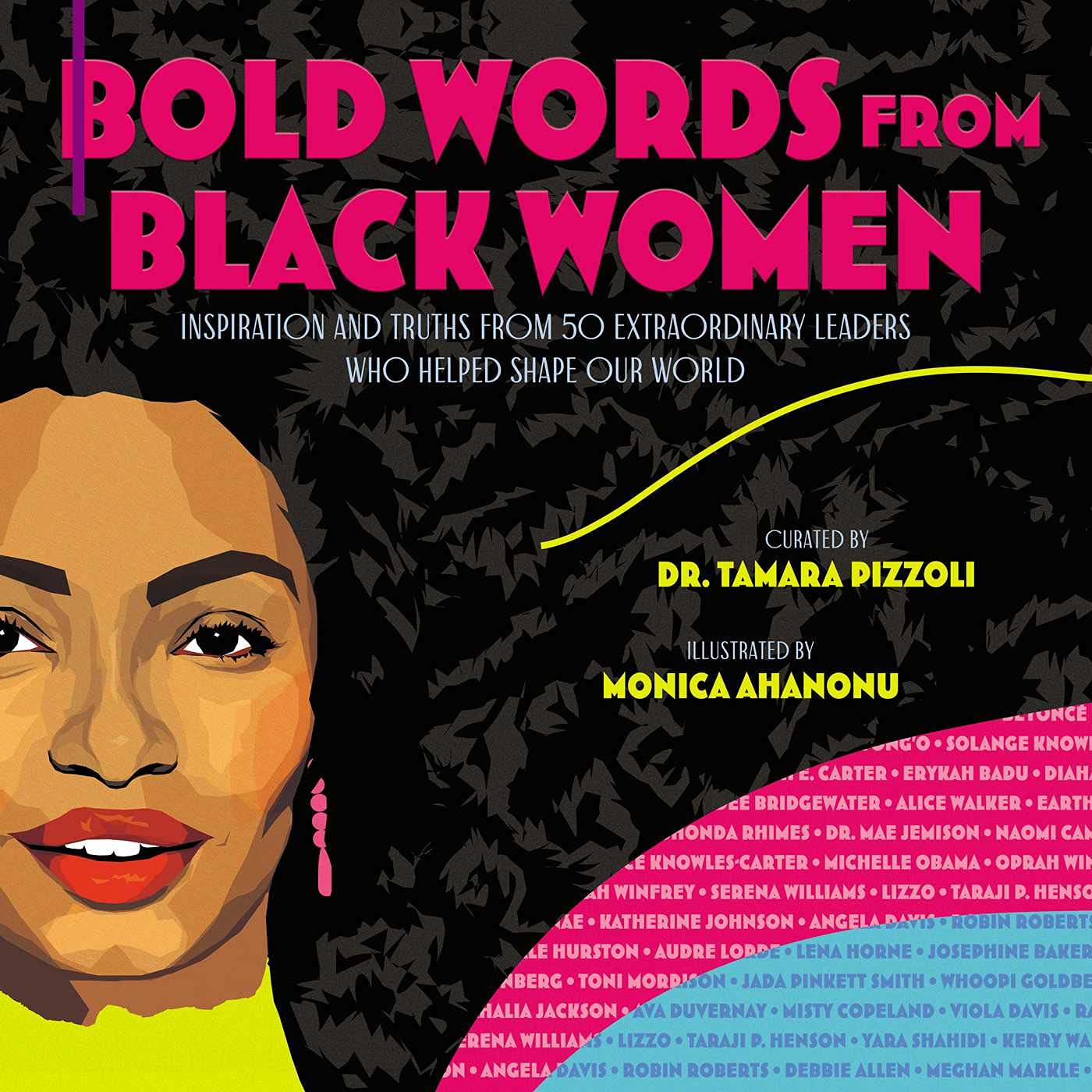
Bold Words from Black Women
Celebrate the power of Black womanhood in this first-of-its-kind collection of inspirational quotes from fifty activists, artists, and leaders, featuring bold, attention-grabbing illustrations—perfect for readers of Herstory and Little Leaders.
This incredible volume honors fifty modern women, presented with their own words, who have dared to raise their voices and persevere through hardship and injustice to become revolutionaries and dreamers, artists and creators.
Featuring women like musical powerhouse Beyoncé Knowles; tennis star Serena Williams; Meghan, Duchess of Sussex; and activist Angela Davis, this stylish book is perfect for any reader who is seeking grace, courage, strength, and self-love. -
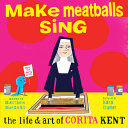
Make Meatballs Sing
Deeply influenced by her religious beliefs and fired up by the social justice causes of her day, artist, designer, and educator Corita Kent was a nun like no other!
A 2022 ALA Notable Children's Book
A Booklist Editors' Choice: Books for Youth, 2021
A Chicago Public Library Best of the Best Books of 2021
A 2021 NCTE Orbis Pictus Recommended Book for Children's Nonfiction
A Marginalian (formerly Brain Pickings) Loveliest Children's Book of 2021
A Booklist Top Ten Arts Books for Youth of 2021
A CCBC (Cooperative Children's Book Center) Choices Best Children's Book, 2022
Corita Kent (1918-1986) lived a remarkable life as an artist, educator, nun, and activist. Unapologetically holding true to herself and her beliefs, Corita spread a powerful message of love, hope, and justice with her work, as it evolved from figurative and religious art, to serigraphs incorporating the sacred and the ordinary, to a sparser, more introspective style.
This timely story will draw readers into the life of a singular woman whose work and commitment invite us all to seek joy in the everyday, to observe the world with open eyes, and to question and see beyond the existing frameworks of society.
Thoughtfully written by Matthew Burgess and vibrantly illustrated by Kara Kramer, this beautiful biography, made in close collaboration with the Corita Art Center, includes reproductions of Corita's works, a chronology, and author and illustrator notes.
-
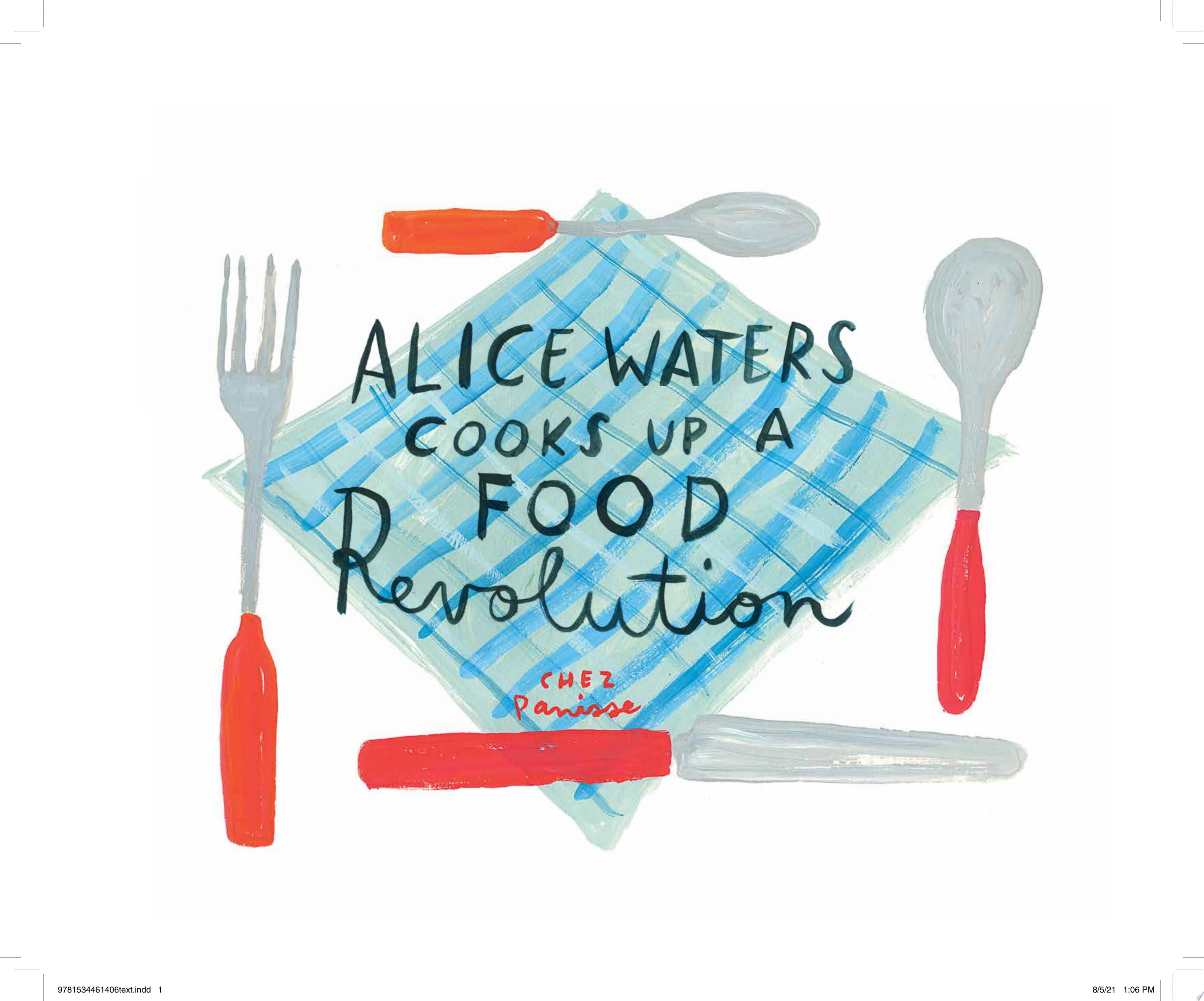
Alice Waters Cooks Up a Food Revolution
From the team behind the acclaimed Ada Lovelace, Poet of Science comes a delicious nonfiction picture book biography about pioneering chef Alice Waters who kickstarted the organic food movement.
Whenever young Alice Waters tasted something delicious, like the sun-warmed berries from her family’s garden or a crisp, ripe apple picked straight from the tree, she would remember it for the rest of her life. Later, as she tasted many more wonderful foods, she realized what made them so good—they were fresh and ripe, grown or made the old-fashioned way.
When Alice grew up, she opened a restaurant called Chez Panisse. As part of her quest to make delicious food, Alice sought out small, local farmers to provide the meat, dairy, and produce. The restaurant made her famous, but it did much more than that—it started a food revolution. Today, home cooks and chefs alike are all discovering the simple secret to the Best! Food! Ever! This book is a celebration of food, cooking, and the woman whose curiosity and devotion to flavor kickstarted America’s interest in buying local, organic food. -
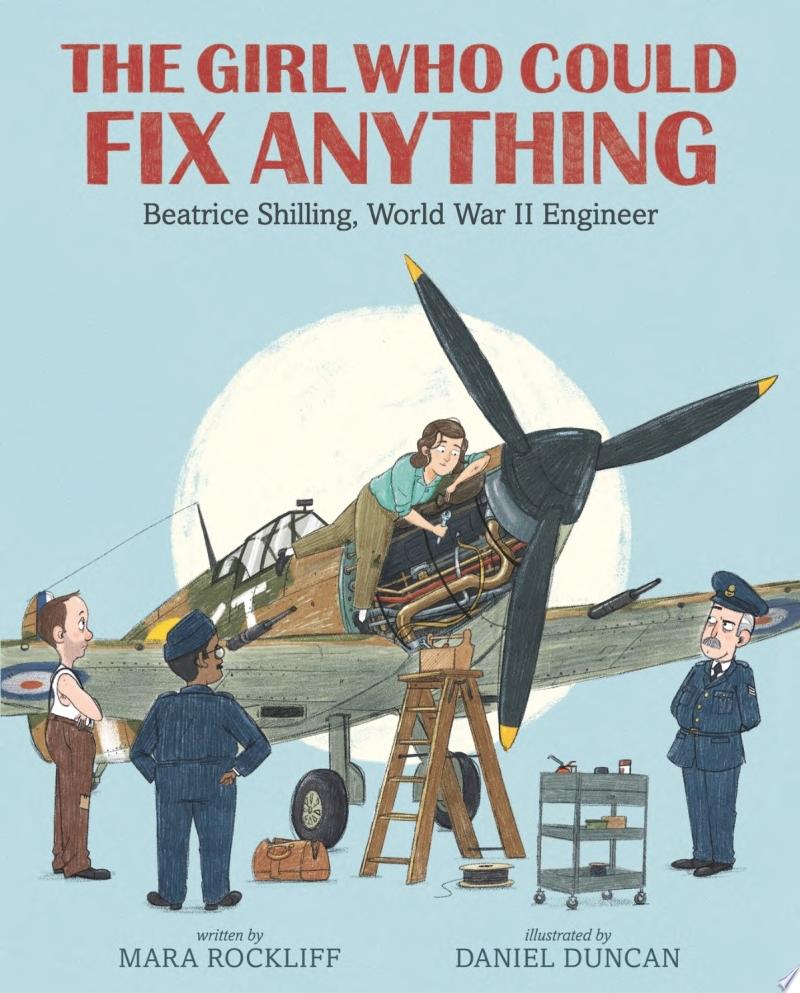
The Girl Who Could Fix Anything: Beatrice Shilling, World War II Engineer
This true story of a woman whose brilliance and mechanical expertise helped Britain win World War II is sure to inspire STEM readers and fans of amazing women in history.
Beatrice Shilling wasn't quite like other children. She could make anything. She could fix anything. And when she took a thing apart, she put it back together better than before.
When Beatrice left home to study engineering, she knew that as a girl she wouldn't be quite like the other engineers--and she wasn't. She was better. Still, it took hard work and perseverance to persuade the Royal Aircraft Establishment to give her a chance. But when World War II broke out and British fighter pilots took to the skies in a desperate struggle for survival against Hitler's bombers, it was clearly time for new ideas. Could Beatrice solve an engine puzzle and help Britain win the war? American author Mara Rockliff and British illustrator Daniel Duncan team up for a fresh look at a turning point in modern history--and the role of a remarkable woman whose ingenuity, persistence, and way with a wrench (or spanner) made her quite unlike anyone else. An author's note and a list of selective sources provide additional information for curious readers. -
Dear Mr. Dickens
2021 National Jewish Book Award Winner - Children's Picture Book
2022 Sydney Taylor Book Award Honor for Picture Books
Chicago Public Library Best Informational Books for Younger Readers 2021
The Best Jewish Children's Books of 2021, Tablet MagazineIn Eliza Davis's day, Charles Dickens was the most celebrated living writer in England. But some of his books reflected a prejudice that was all too common at the time: prejudice against Jewish people. Eliza was Jewish, and her heart hurt to see a Jewish character in Oliver Twist portrayed as ugly and selfish. She wanted to speak out about how unfair that was, even if it meant speaking out against the great man himself. So she wrote a letter to Charles Dickens. What happened next is history.
-
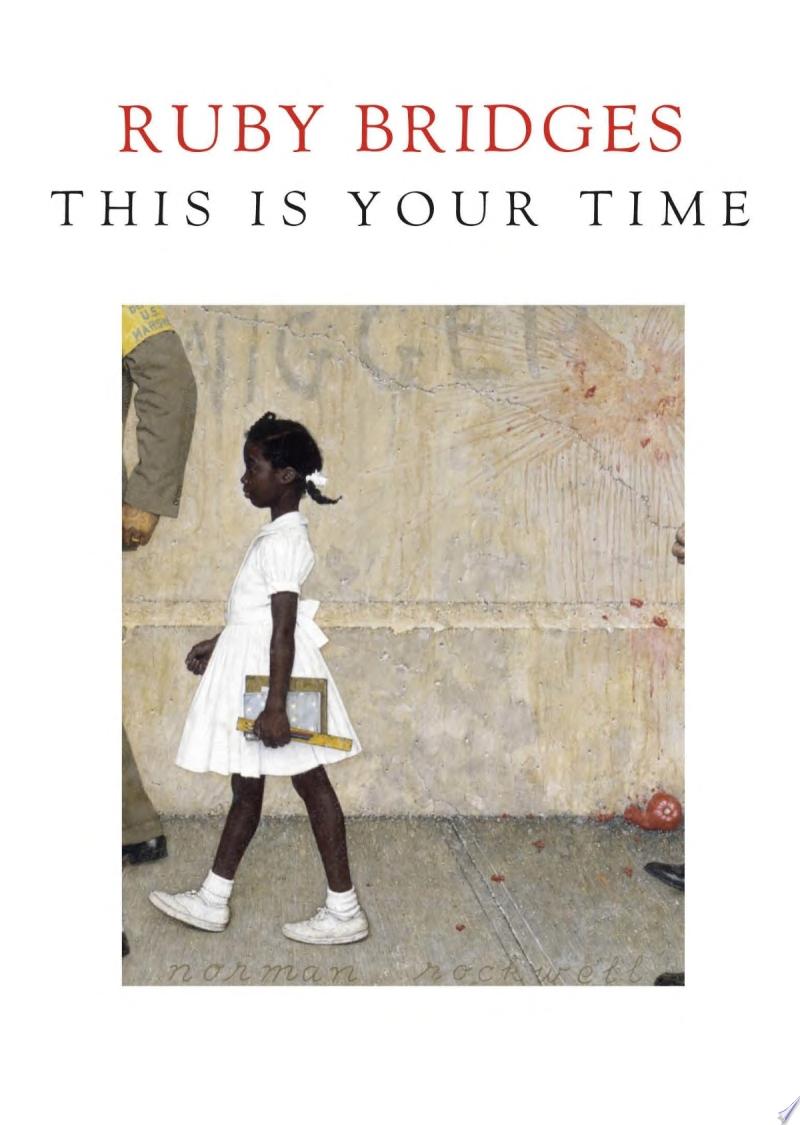
This Is Your Time
NEW YORK TIMES BESTSELLER * Civil rights icon Ruby Bridges--who, at the age of six, was the first black child to integrate into an all-white elementary school in New Orleans--inspires readers and calls for action in this moving letter. Her elegant, memorable gift book is especially uplifting in the wake of Kamala Harris making US history as the first female, first Black, and first South Asian vice president-elect.
Written as a letter from civil rights activist and icon Ruby Bridges to the reader, This Is Your Time is both a recounting of Ruby's experience as a child who had to be escorted to class by federal marshals when she was chosen to be one of the first black students to integrate into New Orleans' all-white public school system and an appeal to generations to come to effect change.
This beautifully designed volume features photographs from the 1960s and from today, as well as stunning jacket art from The Problem We All Live With, the 1964 painting by Norman Rockwell depicting Ruby's walk to school.
Ruby's honest and impassioned words, imbued with love and grace, serve as a moving reminder that "what can inspire tomorrow often lies in our past." This Is Your Time will electrify people of all ages as the struggle for liberty and justice for all continues and the powerful legacy of Ruby Bridges endures. -
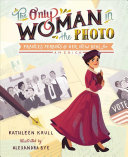
The Only Woman in the Photo
Discover the incredible life of Frances Perkins, the first woman to serve in a presidential cabinet and the mastermind behind Franklin D. Roosevelt’s New Deal, in this fascinating picture book biography that’s perfect for fans of I Dissent.
Most people know about President FDR, but do you know the woman who created his groundbreaking New Deal?
As a young girl, Frances Perkins was very shy and quiet. But her grandmother encouraged Frances to always challenge herself. When somebody opens a door to you, go forward.
And so she did.
Frances realized she had to make her voice heard, even when speaking made her uncomfortable, and use it to fight injustice and build programs to protect people across the nation. So when newly-elected President Franklin Delano Roosevelt finally asked Frances to be the first female Secretary of Labor and help pull the nation out of the Great Depression, she knew she had to walk through that open door and forward into history.
In this empowering, inspirational biography, discover how the first woman to serve in a presidential cabinet led the charge to create the safety net that protects American workers and their families to this day. -
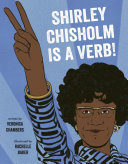
Shirley Chisholm Is a Verb
A timely picture book biography about Shirley Chisholm, the first Black woman in Congress, who sought the Democratic nomination to be the president of the United States.
Shirley Chisholm famously said, "If they don't give you a seat at the table, bring a folding chair." This dynamic biography illuminates how Chisholm was a doer, an active and vocal participant in our nation's democracy, and a force to be reckoned with. Now young readers will learn about her early years, her time in Congress, her presidential bid and how her actions left a lasting legacy that continues to inspire, uplift, and instruct.
-
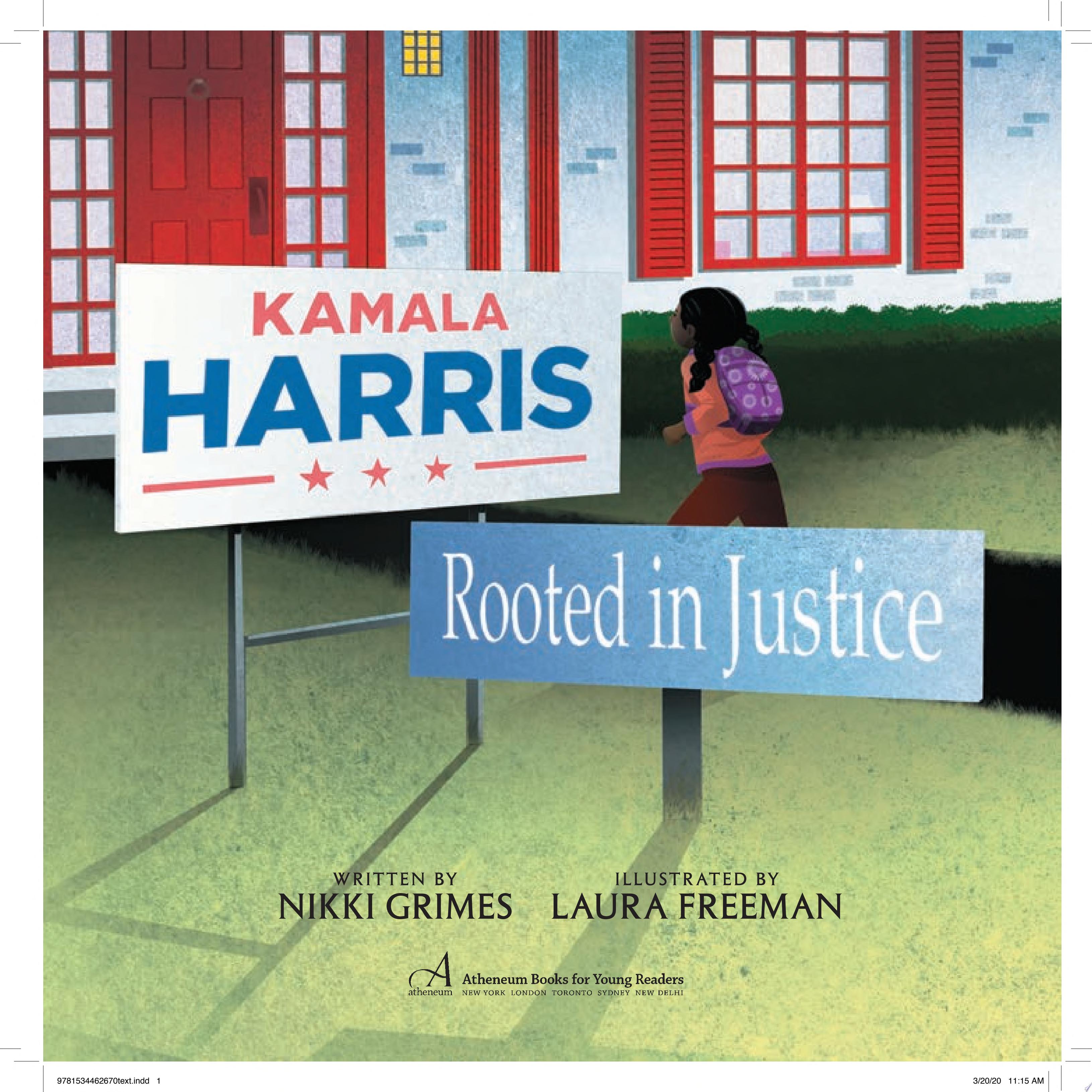
Kamala Harris: Rooted in Justice
Discover the incredible story of a young daughter of immigrants who would grow up to be the first woman, first Black person, and first South Asian American ever elected Vice President of the United States in this moving picture book biography of Kamala Harris.
When Kamala Harris was young, she often accompanied her parents to civil rights marches—so many, in fact, that when her mother asked a frustrated Kamala what she wanted, the young girl responded with: “Freedom!”
As Kamala grew from a small girl in Oakland to a senator running for president, it was this long-fostered belief in freedom and justice for all people that shaped her into the inspiring figure she is today. From fighting for the use of a soccer field in middle school to fighting for the people of her home state in Congress, Senator Harris used her voice to speak up for what she believed in and for those who were otherwise unheard. And now this dedication has led her all the way to being elected Vice President of the United States.
Told in Nikki Grimes's stunning verse and featuring gorgeous illustrations by Laura Freeman, this picture book biography brings to life a story that shows all young people that the American dream can belong to all of us if we fight for one another.
-
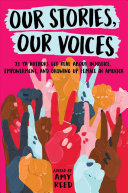
Our Stories, Our Voices
From Amy Reed, Ellen Hopkins, Amber Smith, Sandhya Menon, and more of your favorite YA authors comes an anthology of essays that explore the diverse experiences of injustice, empowerment, and growing up female in America.
This collection of twenty-one essays from major YA authors—including award-winning and bestselling writers—touches on a powerful range of topics related to growing up female in today’s America, and the intersection with race, religion, and ethnicity. Sure to inspire hope and solidarity to anyone who reads it, Our Stories, Our Voices belongs on every young woman’s shelf.
This anthology features essays from Martha Brockenbrough, Jaye Robin Brown, Sona Charaipotra, Brandy Colbert, Somaiya Daud, Christine Day, Alexandra Duncan, Ilene Wong (I.W.) Gregorio, Maurene Goo. Ellen Hopkins, Stephanie Kuehnert, Nina LaCour, Anna-Marie LcLemore, Sandhya Menon, Hannah Moskowitz, Julie Murphy, Aisha Saeed, Jenny Torres Sanchez, Amber Smith, and Tracy Walker. -
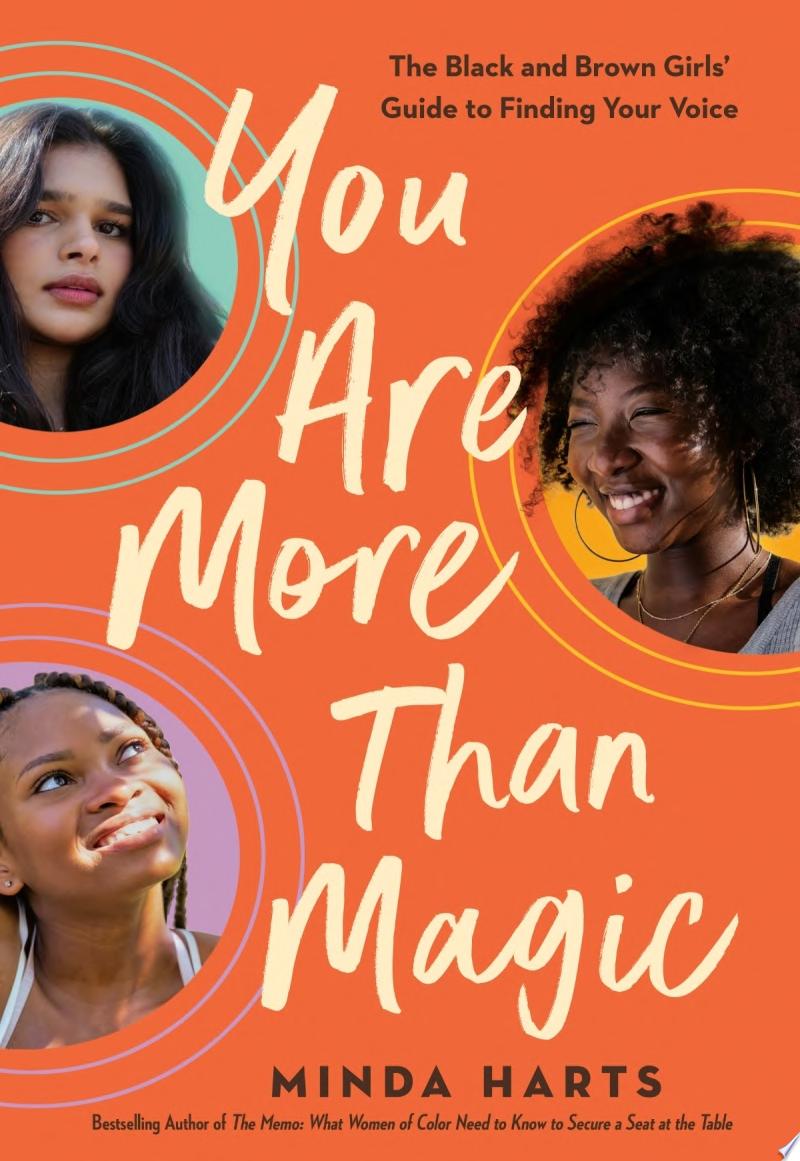
You Are More Than Magic
“Every parent of a Black or brown girl should buy this book, read it to their child, and pass it along to the other parents in their circle.”—Evette Dionne, National Book Award longlisted and Coretta Scott King honor-winning author of Lifting as We Climb
Perfect for graduation gifts and other transitional milestones, this guide is for girls of color looking to find their voice and claim space as they prepare for high school, college, and their careers, from the bestselling author of The Memo: What Women of Color Need to Know to Secure a Seat at the Table.
When you’re a girl of color, figuring out how to find your voice and make sure everyone around you can hear it is essential. CEO and bestselling author Minda Harts knows—she’s been there. And she’s ready to walk you through it all with her own stories of success and the missteps that helped her grow—from running for high school student council when she was barely tall enough to reach the podium, to starting her own company, The Memo LLC, that helps women of color advocate for themselves and their careers. Now she’s here to hype you up and be real with you about:
• Building your squad: what to look for in a friend, finding mentors, and setting boundaries for healthy relationships
• Saying what you mean without saying it mean: prepping yourself for self-advocacy, negotiations, and tough conversations
• Leaning into courage: affirming yourself, dealing with no’s, and speaking up even when you feel like the “only one”
With lots of practical advice and real-life anecdotes, as well as questions for reflection and further resources, this book is all about finding your own unique path to success—at school, at work, at home, and beyond. Success is far from magical, but you’ve already got the tools you need to figure out your next best moves. And your stand-in big sis Minda is here to help you every step of the way! -
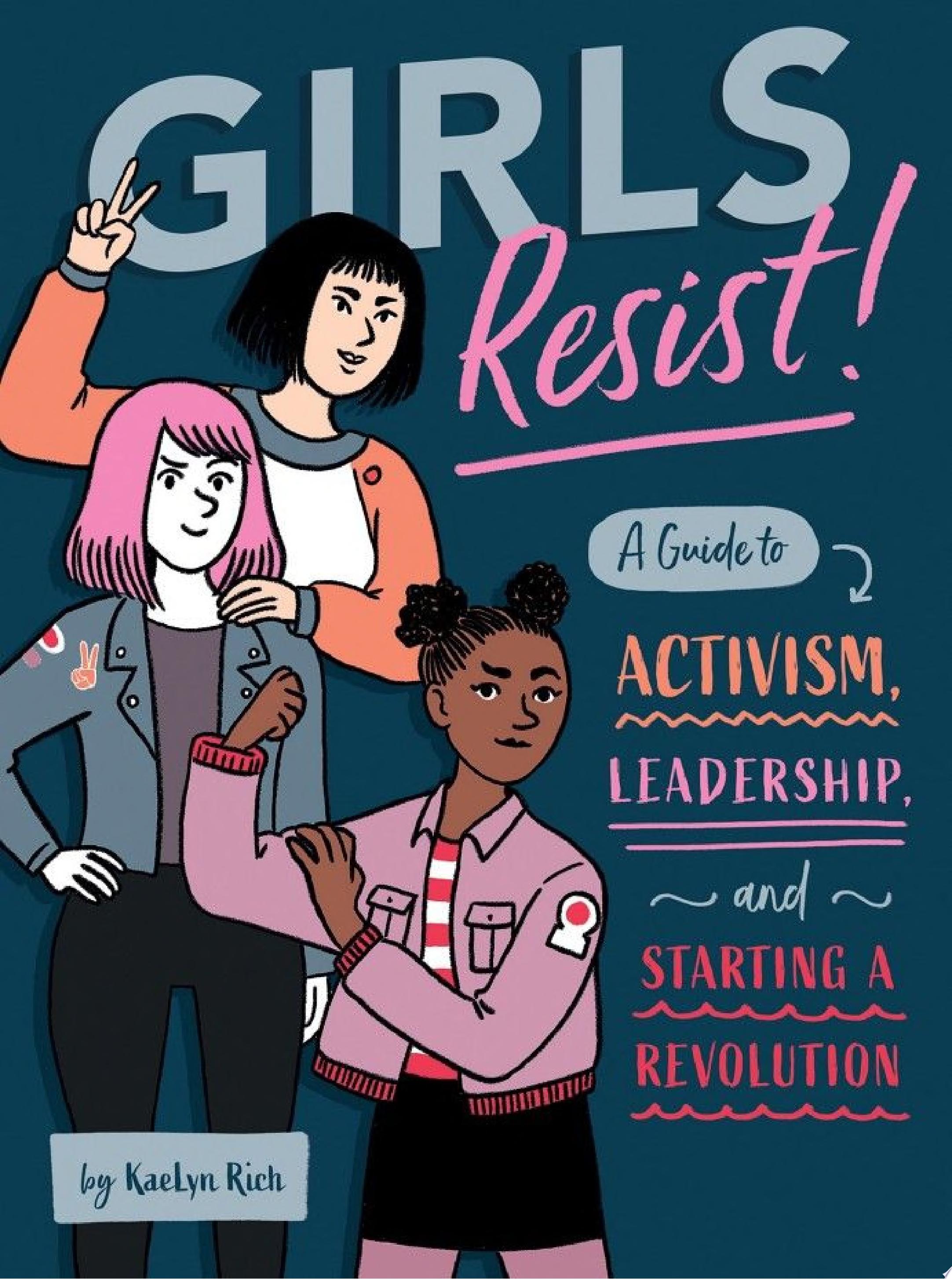
Girls Resist!
An activism handbook for teen girls ready to fight for change, social justice, and equality.
Take on the world and make some serious change with this handbook to everything activism, social justice, and resistance. With in-depth guides to everything from picking a cause, planning a protest, and raising money to running dispute-free meetings, promoting awareness on social media, and being an effective ally, Girls Resist! will show you how to go from “mad as heck about the way the world is going” to “effective leader who gets stuff done.” Veteran feminist organizer KaeLyn Rich shares tons of expertise that’ll inspire you as much as it teaches you the ropes. Plus, quotes and tips from fellow teen girl activists show how they stood up for change in their communities. Grab this handbook to crush inequality, start a revolution, and resist! -
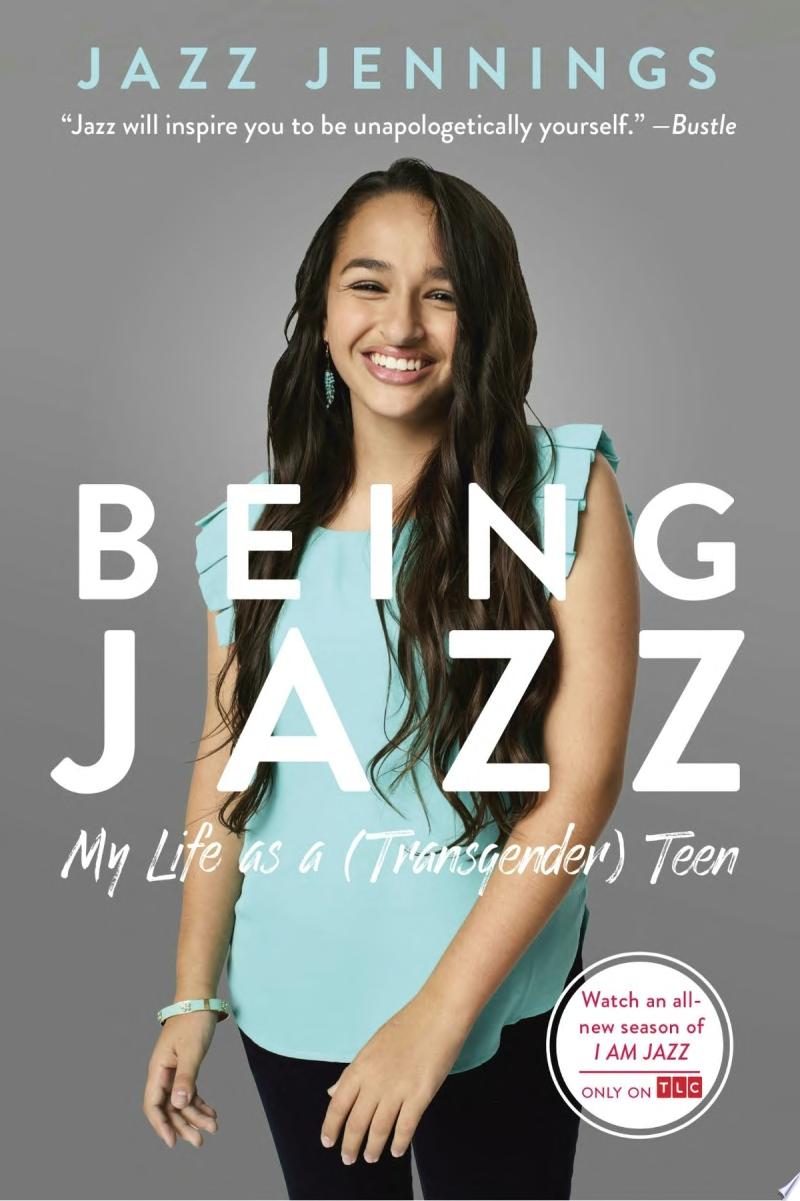
Being Jazz
Get ready for season 4 of the popular TLC show I Am Jazz! Teen advocate and trailblazer Jazz Jennings--named one of "The 25 Most Influential Teens" of the year by Time--shares her very public transgender journey, as she inspires people to accept the differences in others while they embrace their own truths.
"[Jazz's] touching book serves as a rallying cry for understanding and acceptance."-Bustle
Jazz Jennings is one of the youngest and most prominent voices in the national discussion about gender identity. At the age of five, Jazz transitioned to life as a girl, with the support of her parents. A year later, her parents allowed her to share her incredible journey in her first Barbara Walters interview, aired at a time when the public was much less knowledgeable or accepting of the transgender community. This groundbreaking interview was followed over the years by other high-profile interviews, a documentary, the launch of her YouTube channel, a picture book, and her own reality TV series--I Am Jazz--making her one of the most recognizable activists for transgender teens, children, and adults.
In her remarkable memoir, Jazz reflects on these very public experiences and how they have helped shape the mainstream attitude toward the transgender community. But it hasn't all been easy. Jazz has faced many challenges, bullying, discrimination, and rejection, yet she perseveres as she educates others about her life as a transgender teen. Through it all, her family has been beside her on this journey, standing together against those who don't understand the true meaning of tolerance and unconditional love. Now Jazz must learn to navigate the physical, social, and emotional upheavals of adolescence--particularly high school--complicated by the unique challenges of being a transgender teen. Making the journey from girl to woman is never easy--especially when you began your life in a boy's body. See Jazz's story come to life with two inserts featuring personal photos.
PRAISE FOR JAZZ JENNINGS:
"Jazz is one of the transgender community's most important activists." -Cosmopolitan
"A role model for teens everywhere." -Seventeen.com
"Wise beyond her years." -Teen Vogue -
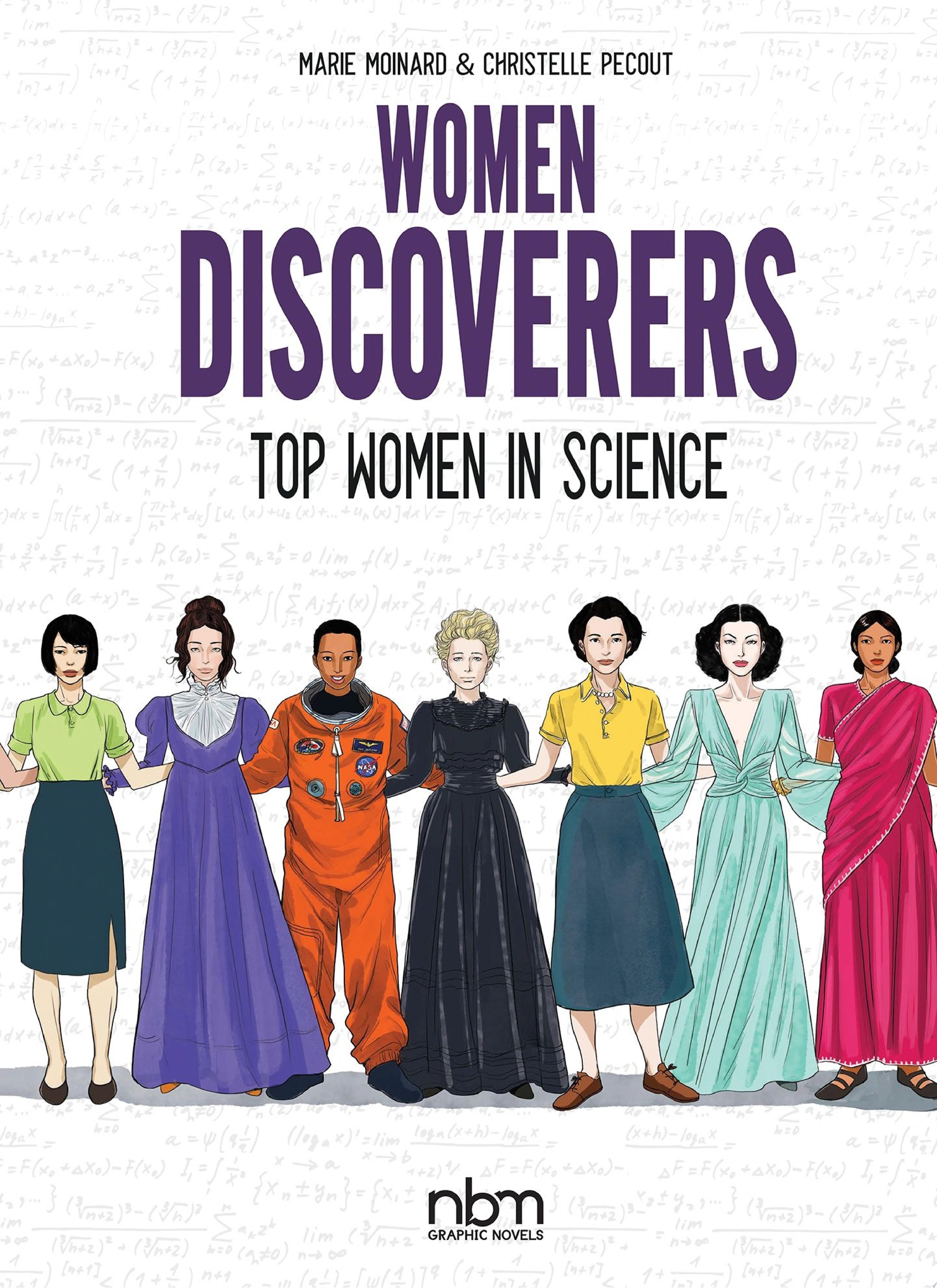
Women Discoverers
From Ada Lovelace (computing) to Marie Curie (Physics and Chemistry), these exceptional women enabled the world to advance in all fields of science including space exploration (Mae Jemison), telecommunications (the actress also genius discoverer Hedy Lamarr), and Biology (Rosalind Franklin). An inspiration going counter to preconceived notions about women and science, presenting a diverse group from around the world.
-
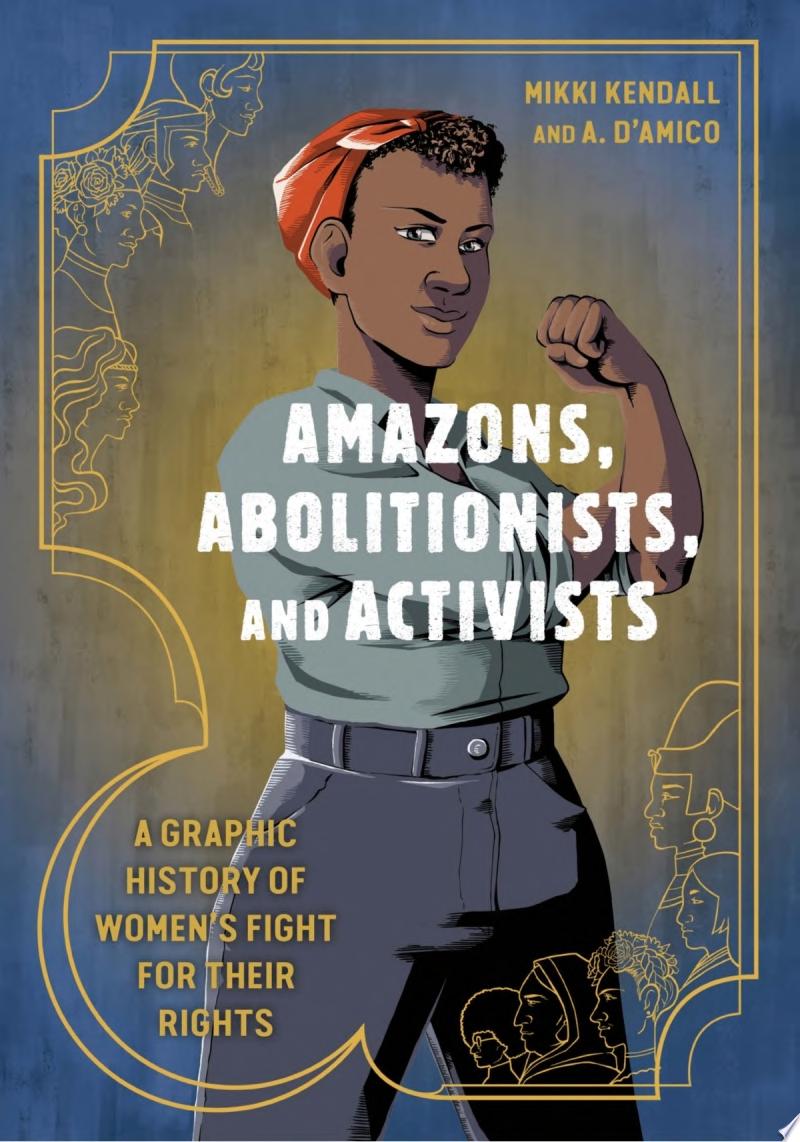
Amazons, Abolitionists, and Activists
A bold and gripping graphic history of the fight for women's rights
The ongoing struggle for women's rights has spanned human history, touched nearly every culture on Earth, and encompassed a wide range of issues, such as the right to vote, work, get an education, own property, exercise bodily autonomy, and beyond. Amazons, Abolitionists, and Activists is a fun and fascinating graphic novel-style primer that covers the key figures and events that have advanced women's rights from antiquity to the modern era. In addition, this compelling book illuminates the stories of notable women throughout history--from queens and freedom fighters to warriors and spies--and the progressive movements led by women that have shaped history, including abolition, suffrage, labor, civil rights, LGBTQ liberation, reproductive rights, and more. Examining where we've been, where we are, and where we're going, Amazons, Abolitionists, and Activists is an indispensable resource for people of all genders interested in the fight for a more liberated future.
-
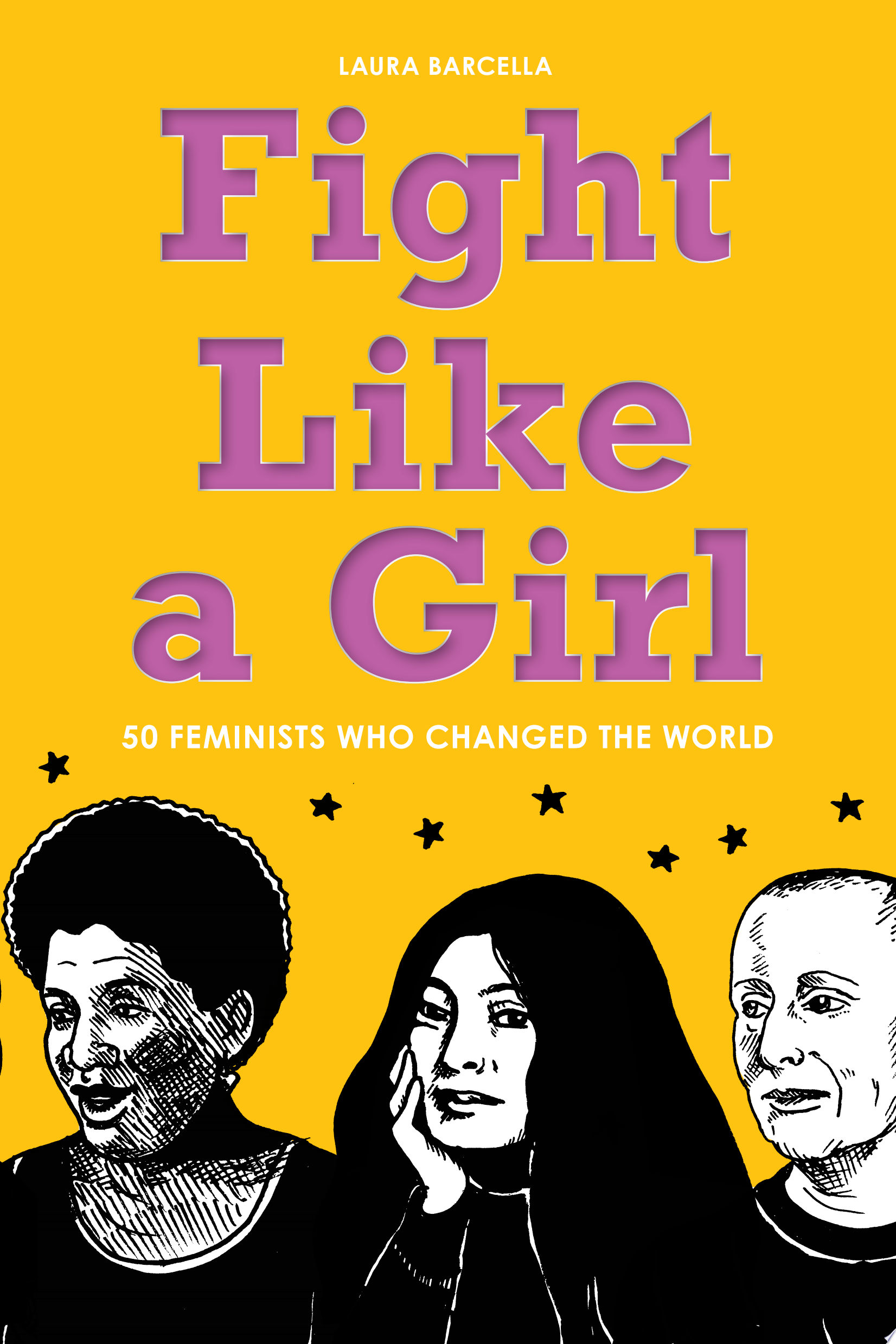
Fight Like a Girl
Nearly every day there's another news story, think piece, or pop cultural anecdote related to feminism and women's rights. Conversations around consent, equal pay, access to contraception, and a host of other issues are foremost topics of conversation in American media.
Today's teens are encountering these issues from a different perspective than any generation has before -- but what's often missing from the current discussion is an understanding of how we've gotten to this place.
Fight Like a Girl introduces readers to the history of feminist activism in the U.S. in an effort to celebrate those who paved the way and draw attention to those who are working hard to further the feminist cause today. -

Tomboy
A memoir about friendship, gender, bullies, growth, punk rock, and the power of the perfect outfit . . .
Growing up, Liz Prince wasn't a girly girl, but she wasn't exactly one of the guys either (as she learned when her little league baseball coach exiled her to the distant outfield). She was somewhere in between. But with the forces of middle school, high school, parents, friendship, and romance pulling her this way and that, the middle wasn't an easy place to be.
Tomboy follows award-winning author and artist Liz Prince through her early years and explores--with humor, honesty, and poignancy--what it means to be a girl. From staunchly refuting girliness to the point of misogyny, to discovering through the punk community that your identity is whatever you make of it, Tomboy offers a sometimes hilarious, sometimes heartbreaking account of self-discovery in modern America.
"Liz Prince may have been an uncertain, confused kid, but she's a confident and sincerely expressive cartoonist. Tomboy is a funny and relatable look at what every child has to deal with at some point -- figuring out who you really are inside, when everyone else only sees what they think you should be on the outside."--Jeffrey Brown, author of Clumsy, Jedi Academy, and Darth Vader and Son
"Liz Prince portrays the awkwardness and humiliation of childhood with wonderful (not to mention painful) accuracy. Any kid that picks up this book is going to be privy to secrets most of us don't learn until it's too late, and any adult who reads it will be reminded of an essential truth: that it's okay to be exactly who we want to be, no matter how weird everyone else thinks we are. Tomboy isn't a self help book, but it should be."--Julia Wertz, author of Drinking at the Movies and The Infinite Wait
"It's hard to imagine anyone failing to be charmed by this entertaining, clever, and genuinely funny memoir of growing up with gender identity confusion. Even this pretty unconfused regular old dude found plenty to identify with in Liz Prince's story of adolescent bafflement, exploration, and discovery -- delivered, like all the best such stories, with a light touch, wry wit, understated irony, and not one iota of preachiness. Meaning: I'm a fan. Go Liz!"--Frank Portman, author of King Dork
"Liz Prince tells gender norms to eat dirt. A delightful, thoughtful, and compulsively readable memoir. And an important one."--Ariel Schrag, author of Adam and Potential -
Girl Code
A New York Public Library Best Book of 2017
Perfect for aspiring coders everywhere, Girl Code is the story of two teenage tech phenoms who met at Girls Who Code summer camp, teamed up to create a viral video game, and ended up becoming world famous. The book also includes bonus content to help you start coding!
Fans of funny and inspiring books like Maya Van Wagenen’s Popular and Caroline Paul’s Gutsy Girl will love hearing about Andrea “Andy” Gonzales and Sophie Houser’s journey from average teens to powerhouses.
Through the success of their video game, Andy and Sophie got unprecedented access to some of the biggest start-ups and tech companies, and now they’re sharing what they’ve seen. Their video game and their commitment to inspiring young women have been covered by the Huffington Post, Buzzfeed, CNN, Teen Vogue, Jezebel, the Today show, and many more.
Get ready for an inside look at the tech industry, the true power of coding, and some of the amazing women who are shaping the world. Andy and Sophie reveal not only what they’ve learned about opportunities in science and technology but also the true value of discovering your own voice and creativity.
A Junior Library Guild selection
A Children's Book Council Best STEM Trade Book for Students K-12
-
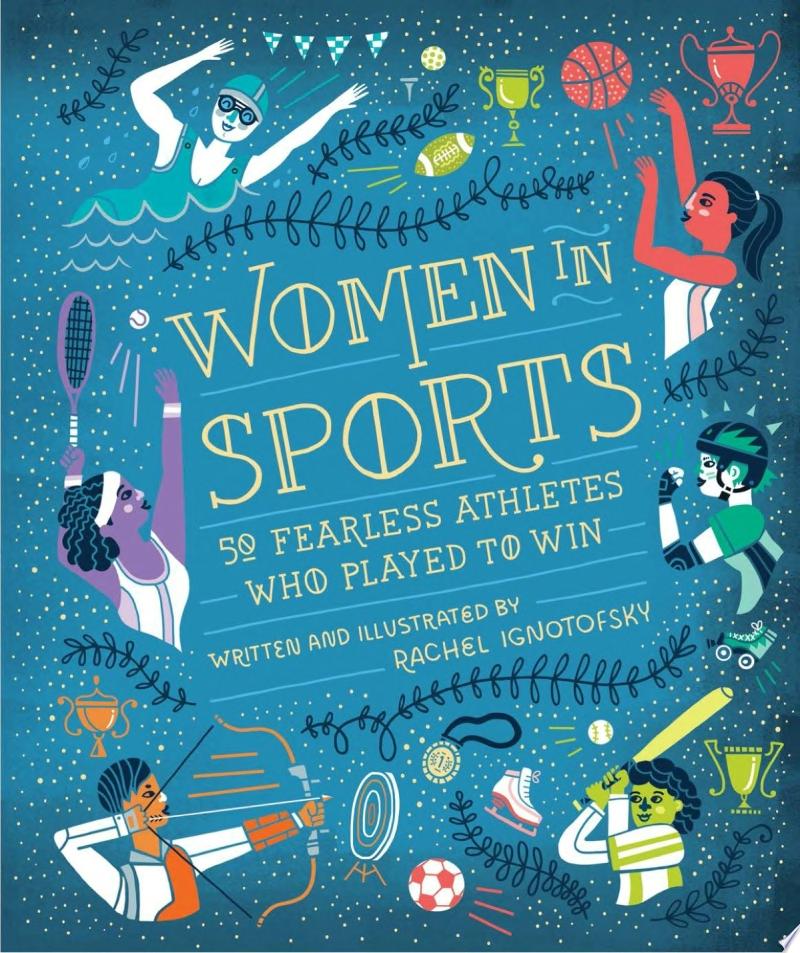
Women in Sports
Illustrated profiles of fifty pioneering female athletes, from the author of the New York Times bestseller Women in Science.
Women for the win!
A richly illustrated and inspiring book, Women in Sports highlights the achievements and stories of fifty notable women athletes from the 1800s to today, including trailblazers, Olympians, and record-breakers in more than forty sports. The athletes featured include well-known figures like tennis player Billie Jean King and gymnast Simone Biles, as well as lesser-known champions like Toni Stone, the first woman to play baseball in a professional men's league, and skateboarding pioneer Patti McGee. The book also contains infographics on topics that sporty women want to know about such as muscle anatomy, a timeline ofwomen's participation in sports, pay and media statistics for female athletes, and influential women's teams. Women in Sports celebrates the success of the tough, bold, and fearless women who paved the way for today's athletes.
-
Bygone Badass Broads
Based on Mackenzi Lee's popular weekly Twitter series of the same name, Bygone Badass Broads features 52 remarkable and forgotten trailblazing women from all over the world. With tales of heroism and cunning, in-depth bios and witty storytelling, Bygone Badass Broads gives new life to these historic female pioneers. Starting in the fifth century BC and continuing to the present, the book takes a closer look at bold and inspiring women who dared to step outside the traditional gender roles of their time. Coupled with riveting illustrations and Lee's humorous and conversational storytelling style, this book is an outright celebration of the badass women who paved the way for the rest of us.
-
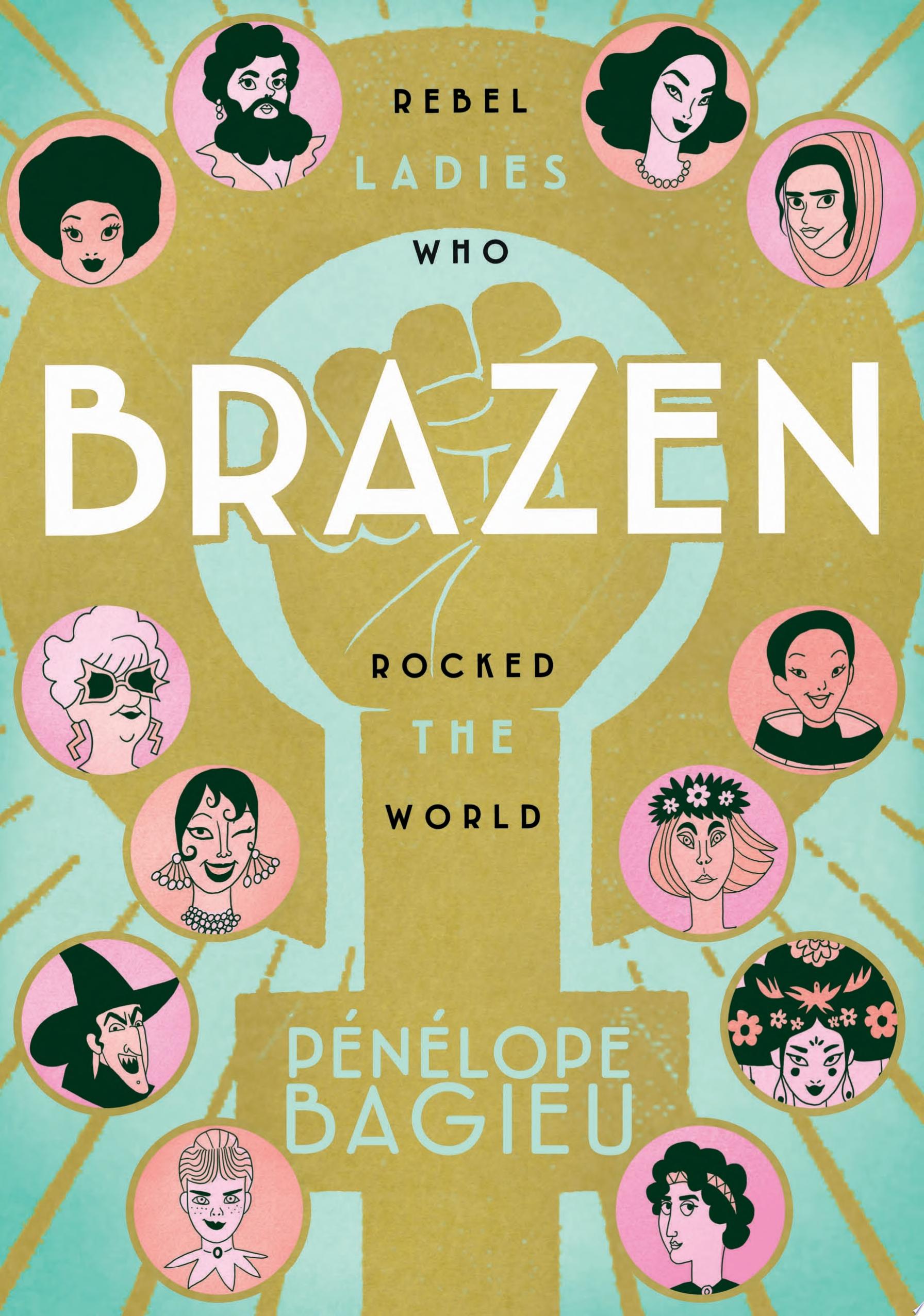
Brazen
2019 Eisner Award Winner for Best U.S. Edition of International Material
Throughout history and across the globe, one characteristic connects the daring women of Brazen: their indomitable spirit.
With her characteristic wit and dazzling drawings, celebrated graphic novelist Pénélope Bagieu profiles the lives of these feisty female role models, some world famous, some little known. From Nellie Bly to Mae Jemison or Josephine Baker to Naziq al-Abid, the stories in this comic biography are sure to inspire the next generation of rebel ladies.
This title has Common Core connections. -
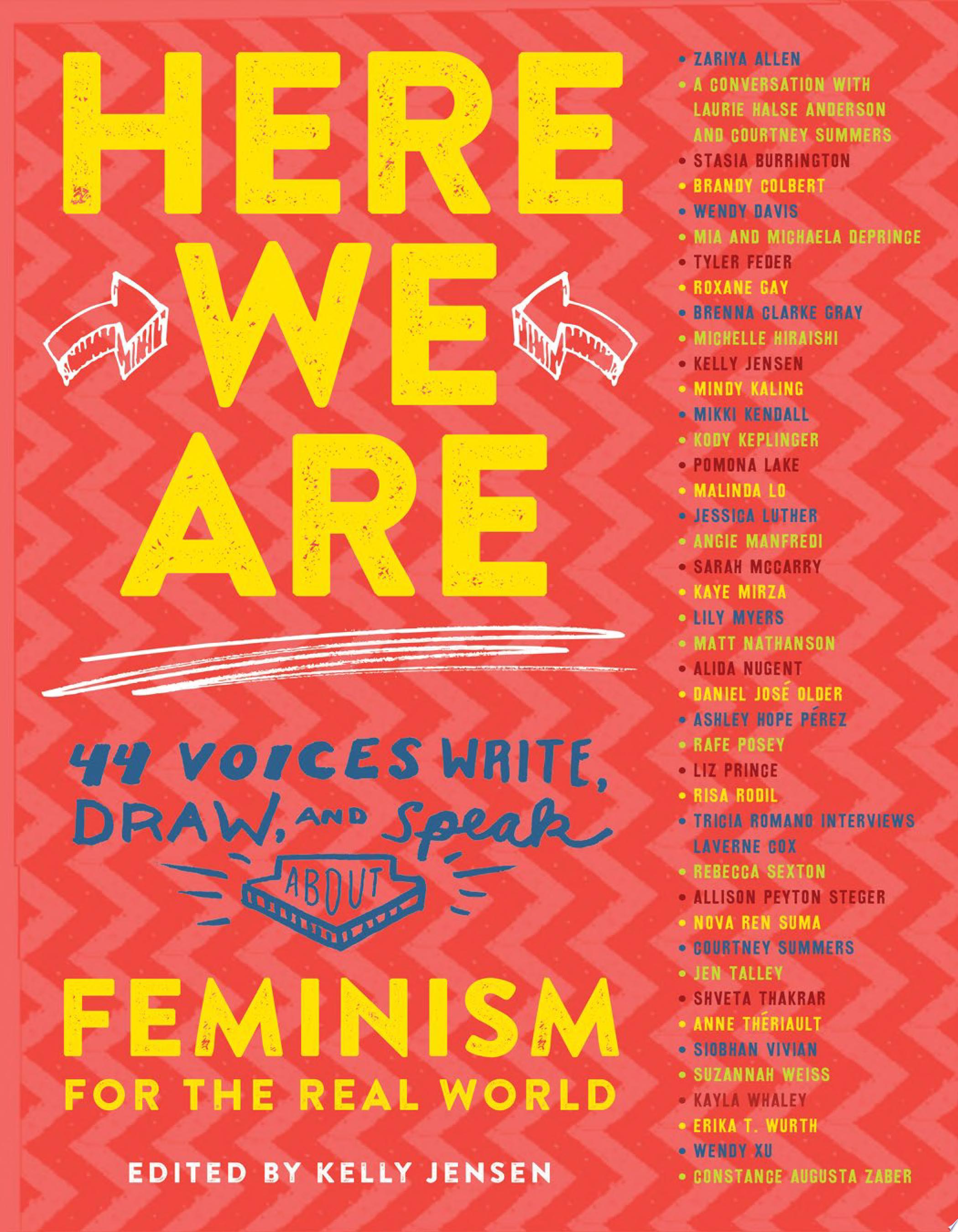
Here We Are
LET'S GET THE FEMINIST PARTY STARTED!
Have you ever wanted to be a superheroine? Join a fandom? Create the perfect empowering playlist? Understand exactly what it means to be a feminist in the twenty-first century? You’ve come to the right place.
Forty-four writers, dancers, actors, and artists contribute essays, lists, poems, comics, and illustrations about everything from body positivity to romance to gender identity to intersectionality to the greatest girl friendships in fiction. Together, they share diverse perspectives on and insights into what feminism means and what it looks like. Come on in, turn the pages, and be inspired to find your own path to feminism by the awesome individuals in Here We Are.
Welcome to one of the most life-changing parties around! -
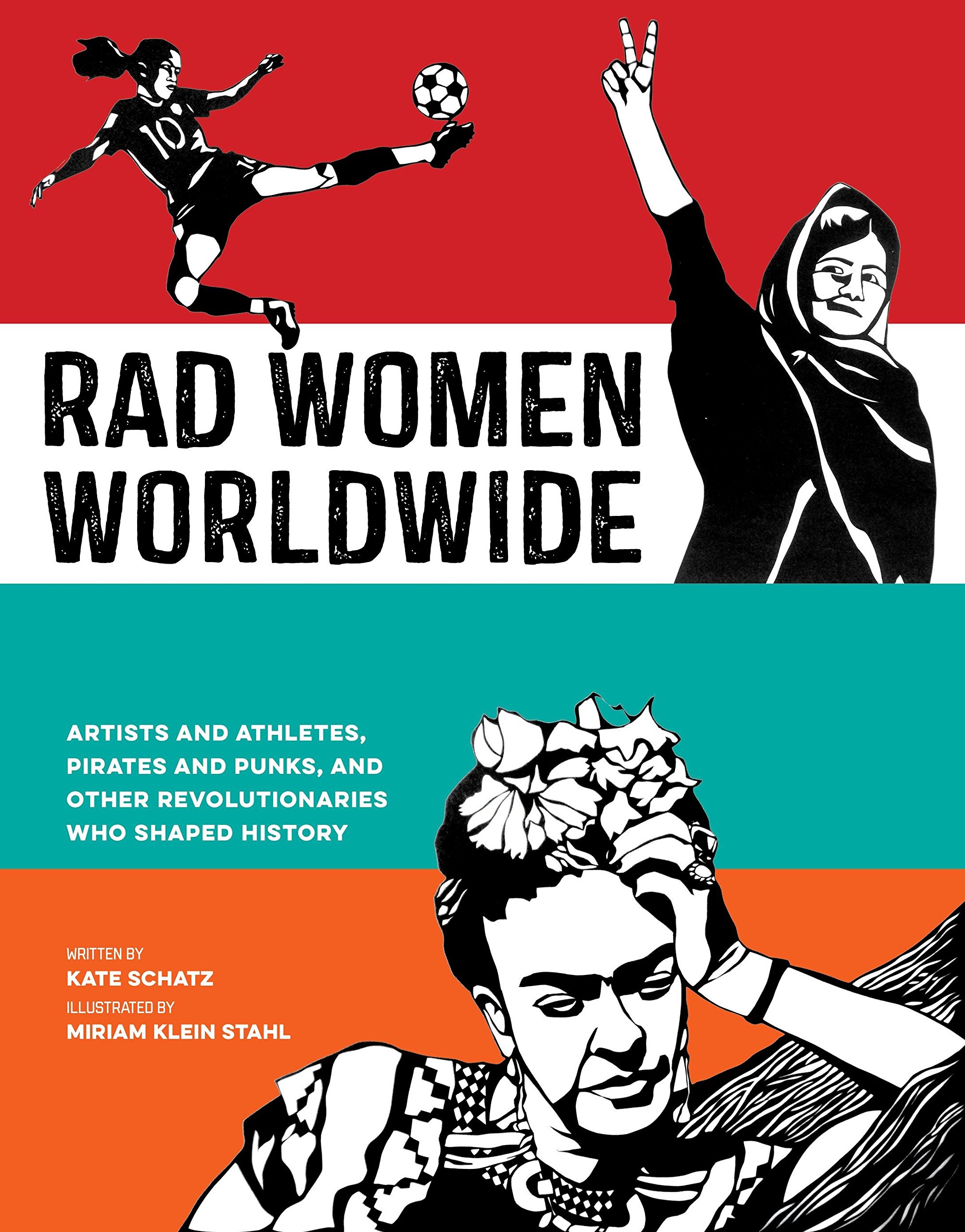
Rad Women Worldwide
Educational and inspirational, this gift-worthy New York Times bestseller from the authors of Rad American Women A-Z, is a bold, illustrated collection of 40 biographical profiles showcasing extraordinary women from across the globe.
Rad Women Worldwide tells fresh, engaging, and amazing tales of perseverance and radical success by pairing well-researched and riveting biographies with powerful and expressive cut-paper portraits. The book features an array of diverse figures from 430 BCE to 2016, spanning 31 countries around the world, from Hatshepsut (the great female king who ruled Egypt peacefully for two decades) and Malala Yousafzi (the youngest person to win the Nobel Peace Prize) to Poly Styrene (legendary teenage punk and lead singer of X-Ray Spex) and Liv Arnesen and Ann Bancroft (polar explorers and the first women to cross Antarctica). An additional 250 names of international rad women are also included as a reference for readers to continue their own research.
This progressive and visually arresting book is a compelling addition to women's history and belongs on the shelf of every school, library, and home. Together, these stories show the immense range of what women have done and can do. May we all have the courage to be rad!
For teachers, this book is appropriate for grades 6-8 and could be used in either Social Studies or English classes, or as part of a text for a multidisciplinary unit. It can also be used as a Common Core text for grades 6-8 Social Studies/History - CCSS.ELA-LITERACY.RH.6-8.1-10.